Pharmaceutical Warehouses: What the Regulations Require
Learn about GDP requirements, temperature zones, and INFARMED licensing for pharmaceutical warehouses in the Greater Lisbon Area.
- Portuguese pharmaceutical market: €3.4 billion in sales in 2024, with 4.7% growth (Observador, 2025).
- Mandatory temperature zones: 15–25°C (controlled temperature), 2–8°C (refrigerated), -25 to -15°C (frozen) and below -60°C (ultra-frozen).
- Mandatory thermal mapping before warehouse use, with seasonal re-mapping (EU GDP 2013/C 343/01).
- INFARMED licensing: facility inspection within 30 days of application, with mandatory pharmaceutical Technical Director.
- Prime logistics rents in the Greater Lisbon Area: €5.30–€5.65/m²/month, excluding additional HVAC and certification costs.
- Pharmaceutical distribution in Portugal: 27 logistics platforms supply 3,000 healthcare points daily (ADIFA, 2024).
Why Pharmaceuticals Require a Different Warehouse
Around 80% of pharmaceutical products in Europe require temperature-controlled transport and storage (Girteka Group, 2024). A standard industrial warehouse, without validated climate control systems and the legally required segregation zones, cannot receive medicines. And enforcement is not theoretical: INFARMED inspects facilities before granting authorization.
The Portuguese pharmaceutical market generated €3.4 billion in sales in 2024, a 4.7% increase compared to the previous year (Observador, 2025). Wholesale distribution contributed €302 million to GDP, operated by 27 logistics platforms (Observador, 2025).
What Are Good Distribution Practices (GDP)
Good Distribution Practices (GDP) regulate how medicines must be stored and distributed. The European reference is Guideline EU GDP 2013/C 343/01, transposed into Portuguese law by INFARMED's Deliberação 946/2021. The legal basis is Decreto-Lei 176/2006 (the Medicines Statute), whose articles 94 to 100 regulate wholesale distribution.
GDP is not a voluntary certification: it is a legal requirement. For anyone looking for a pharmaceutical warehouse, the impact is direct on the facilities, which must meet specific requirements for temperature, security, layout, and documentation.
Temperature Zones: The 4 Mandatory Levels
Regulations define four temperature zones, depending on the type of products stored.
| Zone | Temperature | Typical Products |
|---|---|---|
| Controlled temperature | 15–25°C | Oral solid medicines, most products |
| Refrigerated | 2–8°C | Vaccines, insulin, biologics, injectables |
| Frozen | -25 to -15°C | Some biologics and reagents |
| Ultra-frozen | Below -60°C | Advanced therapies, some mRNA vaccines |
Portugal is classified in ICH Climate Zone II (Mediterranean climate, average annual temperature of 21.6°C), which means ambient storage without active HVAC is not acceptable for most medicines. Even the 15–25°C zone requires active climate control systems during summer.
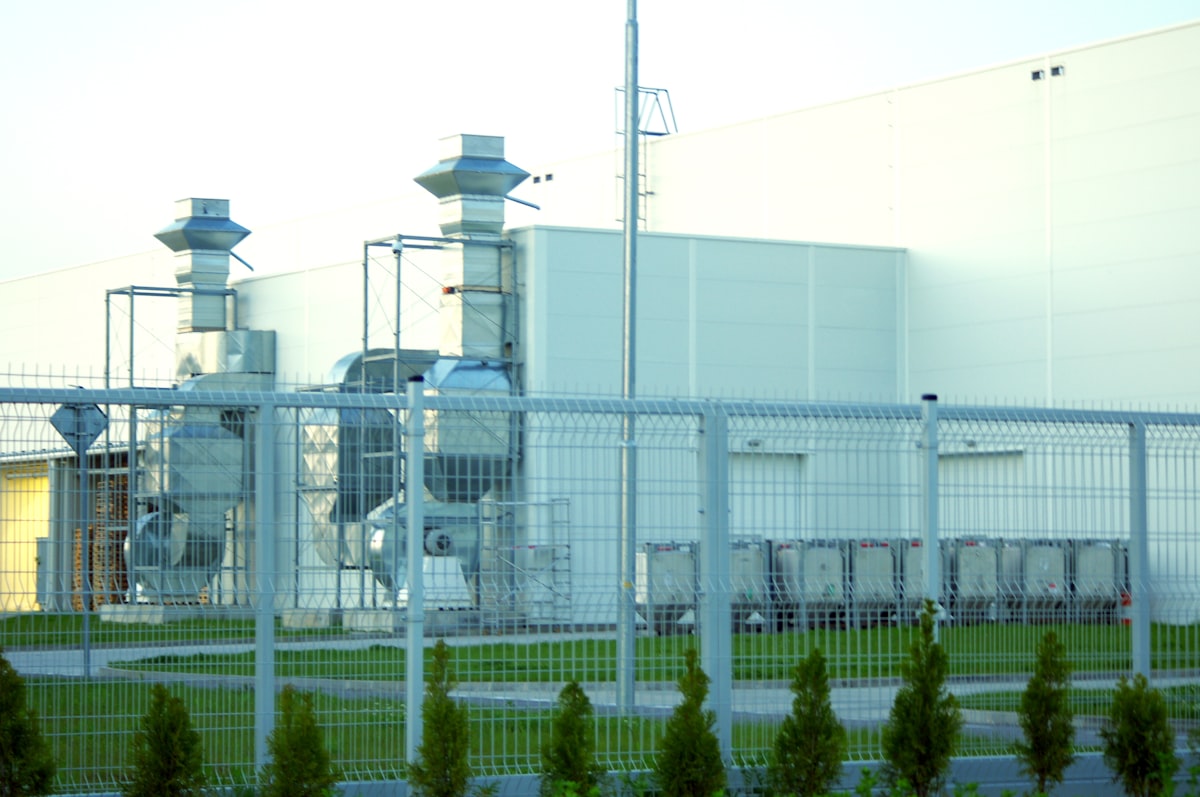
Maintaining zones at 2–8°C continuously represents a significant energy cost. Before signing a lease, check the building's electrical capacity and whether the electrical panel supports the power required for industrial refrigeration equipment.
Not all warehouses need all four zones. A company that distributes only oral solid medicines can operate with the 15–25°C zone. An operator handling vaccines necessarily requires chambers at 2–8°C.
Thermal Mapping and Continuous Monitoring
Chapter 3.2.1 of the EU GDP Guidelines requires thermal mapping (temperature mapping) before the warehouse becomes operational. This mapping identifies the hottest and coldest points in the space, where monitoring sensors are then positioned.
The process includes three stages:
- Initial mapping: carried out before first use, with sensors distributed throughout the storage area.
- Seasonal re-mapping: recommended in summer and winter to validate that limits are maintained under extreme weather conditions.
- Re-mapping after changes: mandatory after HVAC replacement, renovation work, or significant layout changes.
Monitoring equipment must be calibrated with traceability to recognized standards (ISO 17025). The alarm system must be configured to notify immediately when the temperature exceeds the defined limits for each zone.
If the warehouse you are evaluating had previous pharmaceutical use, request the thermal mapping reports. This can save weeks in the validation process and help anticipate potential issues with hot spots or poor insulation.
Warehouse Layout: Zones Required by Regulation
GDP defines a minimum set of functional areas that the warehouse must have, with physical or validated electronic separation between them.
- Reception and quarantine: area where products arrive and await inspection before being released to stock.
- General storage: main zone with controlled temperature, organized by FEFO (First Expired, First Out).
- Order preparation: dedicated area for assembling orders, separate from storage.
- Dispatch: exit zone with weather-protected loading docks (fast-action doors, air curtains).
In addition, regulations require mandatory segregated zones with restricted access for:
- Falsified medicines: mandatory physical segregation.
- Expired products: separated from marketable stock.
- Returns: awaiting decision on reintegration or destruction.
- Rejected products: non-compliant, awaiting processing.
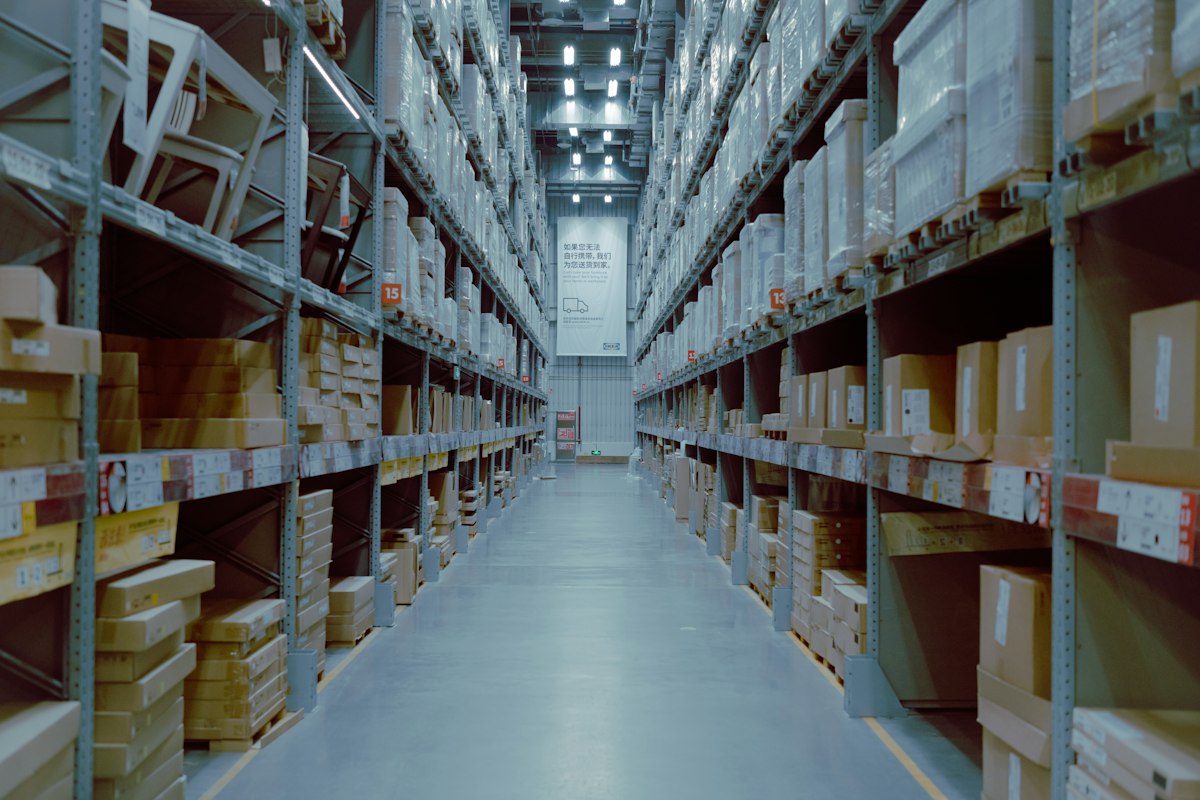
Loading docks must protect products from weather conditions (fast-action doors, air curtains, levelers). Rest areas and sanitary facilities must be physically separated from storage zones. For those already familiar with general industrial licensing requirements, pharmaceutical requirements add an additional layer of segregation and documentation.
Procura o Armazém Ideal?
Explore a nossa seleção de armazéns industriais na Grande Lisboa. Espaços com documentação verificada e prontos para a sua operação.
Security, Pest Control, and Hygiene
GDP requires specific measures to prevent unauthorized access and protect the integrity of medicines.
- Monitored intrusion alarm: with motion sensors, magnetic door contacts, and glass break detectors.
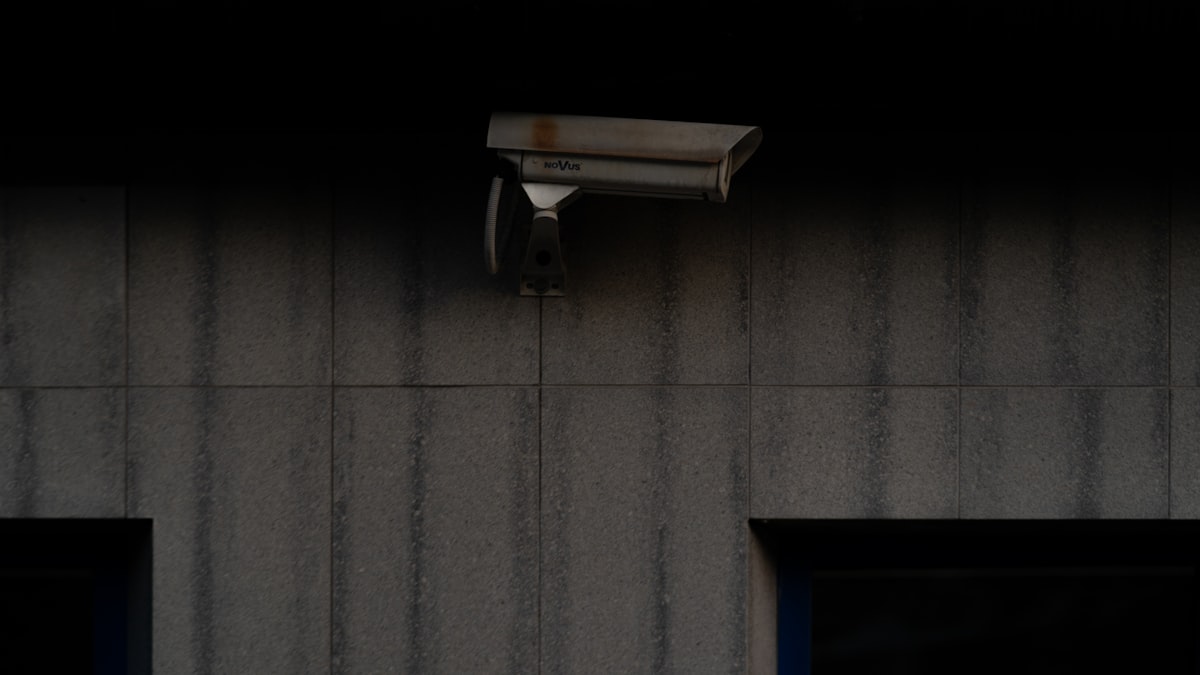
- CCTV: video surveillance with recording and image retention in accordance with legislation.
- Electronic access control: with audit trail (who entered, when, and in which zone).
- Controlled substances: storage in a safe or area with reinforced security.
Pest control is another formal requirement: a documented program with sealing of entry points, regular inspections, and records signed by the Technical Director. Hygiene follows the same logic, with a written cleaning program per area. Food and drinks are prohibited in storage zones.
According to industry data, 75% of medicine thefts occur during transport, not in the warehouse. Even so, GDP requires that facilities are prepared to prevent theft and unauthorized access, especially for controlled substances and high-value medicines.
INFARMED Licensing: Step by Step
Any company that distributes medicines wholesale in Portugal needs authorization from INFARMED (articles 94 to 97 of Decreto-Lei 176/2006).
- Submission on the Licenciamento+ Portal: since March 2023, all applications are made through INFARMED's digital platform.
- Mandatory documentation (Article 96): company identification, Technical Director credentials (pharmacist registered with the Ordem dos Farmacêuticos), detailed facility plans, fire safety documentation, and quality manual.
- Facility inspection (Article 97): INFARMED conducts a site visit within 30 days of the application. The inspection assesses compliance of the facilities with GDP.
- Decision: if the facilities meet all requirements, authorization is issued. Otherwise, INFARMED may require corrections before approval.
The Technical Director is mandatory: must be a pharmacist registered with the Ordem dos Farmacêuticos and is accountable to INFARMED for GDP compliance.
INFARMED distinguishes between National Market Distributor and Logistics Operator (articles 94-A and 94-B of Decreto-Lei 176/2006). If your company provides logistics services for marketing authorization holders, the legal framework is different. Confirm the type of authorization required before starting the process.
Precisa de Ajuda Especializada?
A Durgesta ajuda-o com toda a documentação técnica e legal, negociação de condições e acompanhamento personalizado.
Costs to Consider Beyond Rent
Prime rent in the Greater Lisbon Area stands at €5.30–€5.65/m²/month (Cushman & Wakefield, 2025). For a pharmaceutical warehouse, the base rent is just the starting point. Check our price guide by zone for reference.
Additional costs include:
| Component | Estimate |
|---|---|
| HVAC installation (15–25°C) | €50–€150/m² |
| Cold chambers (2–8°C) | €200–€500/m² |
| Initial thermal mapping | €3,000–€8,000 per exercise |
| Continuous monitoring system | €5,000–€15,000 (equipment + installation) |
| Intrusion alarm + CCTV + access control | €10,000–€30,000 |
| Technical Director (pharmacist) | Monthly salary cost |
| Annual certification and audits | €5,000–€10,000/year |
As a reference, the Bomi Group inaugurated a GDP+GMP facility of 27,578 m² in Madrid with an investment of €18 million, including zones at -30°C, 2–8°C, and 15–25°C (Mordor Intelligence, 2025).
Building from scratch is not always necessary. Many industrial warehouses in the Greater Lisbon Area can be adapted for pharmaceutical use, provided they have adequate ceiling height (minimum 6 m for high racking), good thermal insulation, and sufficient electrical capacity for the HVAC system. Adaptation costs are typically 30–50% lower than new construction.
How to Assess Whether a Warehouse Is Suitable for Pharmaceuticals
Before proceeding with a lease, check the following points:
- Ceiling height: minimum 6 m for high racking and HVAC air circulation.
- Thermal insulation: walls and roof with sandwich panels that minimize temperature variations.
- Electrical capacity: sufficient power for industrial refrigeration and monitoring. Check the possibility of upgrading.
- Covered loading docks: weather-protected, with levelers and fast-action doors.
- Flooring: resistant, crack-free, easy to clean (epoxy resin is the standard).
- Restricted access: possibility of installing electronic access control per zone.
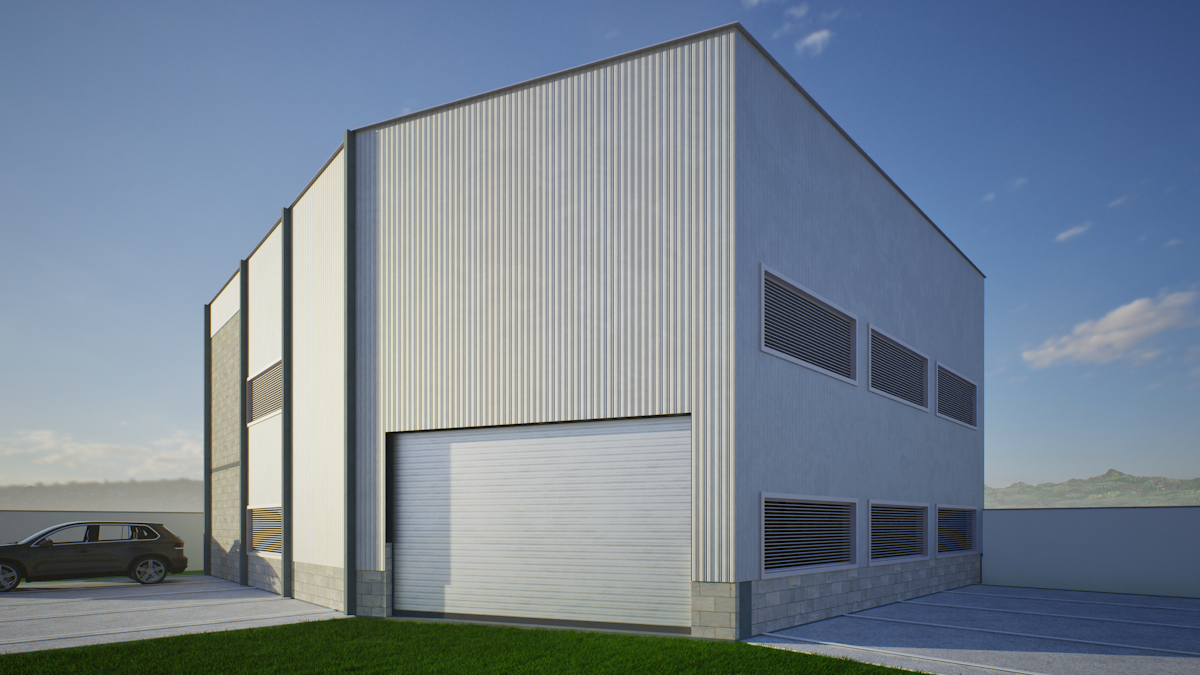
If the warehouse already meets most of these requirements, adaptation is viable. If insulation is poor or electrical capacity insufficient, the cost may not justify the investment.
Frequently Asked Questions
A wholesale distribution authorization issued by INFARMED is required, under the terms of Decreto-Lei 176/2006. The process includes submission on the Licenciamento+ Portal, facility inspection within 30 days, and appointment of a pharmaceutical Technical Director.
It depends on the products. The controlled temperature zone requires 15 to 25 degrees Celsius for solid medicines. Refrigerated products (vaccines, biologics) require 2 to 8 degrees Celsius. There are also frozen zones (minus 25 to minus 15 degrees) and ultra-frozen (below minus 60 degrees).
Thermal mapping identifies the hottest and coldest points in the warehouse. It is mandatory before first use, as per Chapter 3.2.1 of the EU GDP Guidelines 2013/C 343/01. It must be repeated seasonally and after any changes to the HVAC system or warehouse layout.
HVAC installation for 15 to 25 degrees costs between 50 and 150 euros per square meter. Cold chambers for 2 to 8 degrees cost between 200 and 500 euros per square meter. Initial thermal mapping costs 3,000 to 8,000 euros. Alarm and monitoring systems add 15,000 to 45,000 euros.
Yes. The Technical Director must be a pharmacist registered with the Ordem dos Farmacêuticos, as per Article 96 of Decreto-Lei 176/2006. They are responsible for ensuring compliance with Good Distribution Practices and are accountable to INFARMED.
INFARMED has 30 days after submission to carry out the facility inspection, as per Article 97 of Decreto-Lei 176/2006. The total timeline depends on prior preparation: gathering documentation, hiring the Technical Director, and ensuring the facilities meet all requirements can take 3 to 6 months.
Pronto para Começar?
Defina os seus requisitos e encontre o armazém que se ajusta perfeitamente à sua operação. Sem surpresas, sem perda de tempo.
Explore mais artigos sobre:
Categorias
Localizações