Cold Storage Warehouses: Requirements and Costs
Cold storage costs 2 to 3 times more than conventional warehouses. Learn the requirements by temperature zone, costs, and regulations in Portugal.
The cold chain is one of the fastest-growing areas of logistics in Europe: the market is worth 80.25 billion dollars and growing at 7.27% per year (Grand View Research, 2026). In Portugal, the sector already represents 1.2 billion dollars (Research and Markets, 2025), driven by food e-commerce, the pharmaceutical industry, and nearshoring.
But operating a cold room is substantially different from running a conventional warehouse. Costs are higher, regulations are more demanding, and mistakes are more expensive.
Temperature Zones: Which One Do You Need
Each product requires a specific temperature. The 5 main zones:
| Zone | Temperature | Products | Regulator |
|---|---|---|---|
| Controlled ambient | 15 to 25 °C | CRT pharmaceuticals, dry goods | Infarmed |
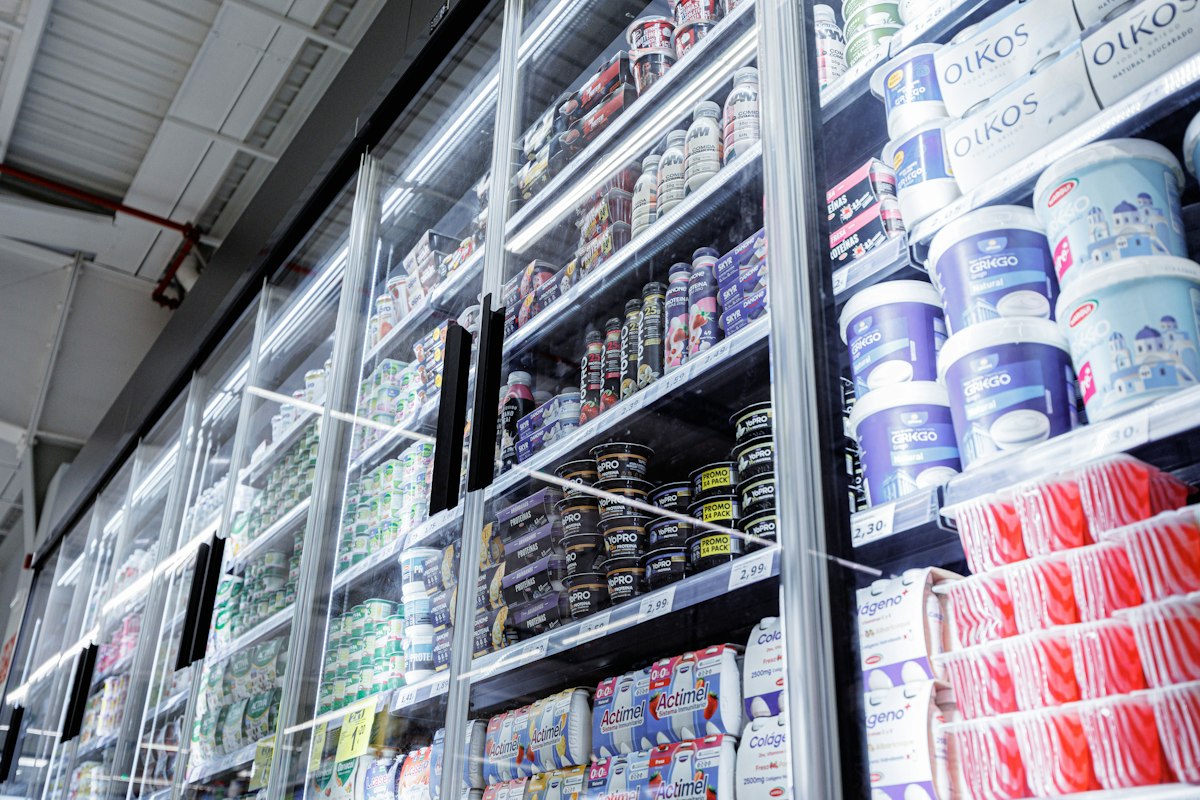
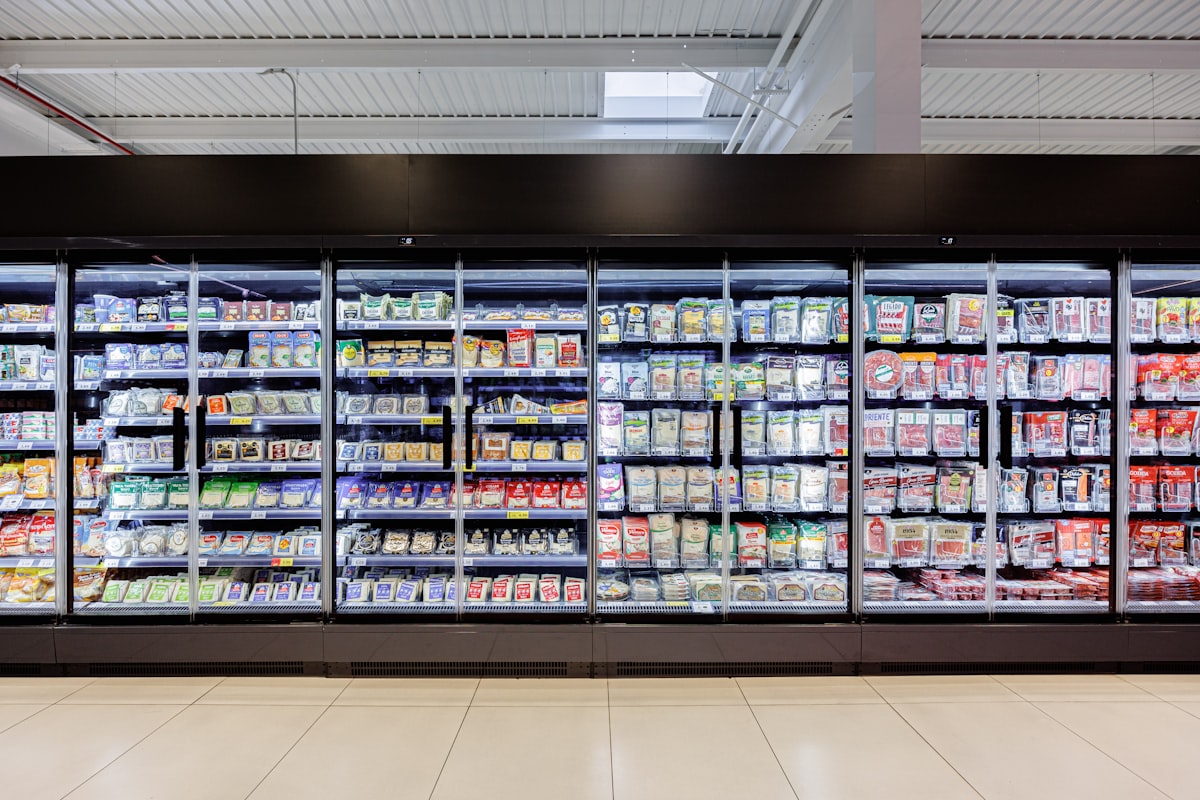
| Chilled | 0 to 8 °C | Dairy, fresh meat, fruits, vegetables | DGAV / ASAE |
| Pharmaceutical | 2 to 8 °C | Vaccines, insulin, biologics | Infarmed |
| Frozen | Minus 18 to minus 25 °C | Fish, frozen meat, frozen foods | DGAV / ASAE |
| Ultra-cold | Minus 30 to minus 70 °C | mRNA vaccines, biotechnology | Infarmed |
A cold chain break of just 2 hours can render an entire batch of vaccines or fresh products unusable. Continuous temperature monitoring is mandatory, not optional.
If you have already consulted our article on pharmaceutical warehouses, you know the Infarmed regulatory requirements. Cold storage adds layers of technical and energy complexity.
Construction and Insulation Requirements
Technical requirements vary by temperature zone:
| Zone | U-Value (W/m2.K) | Panel Thickness | Floor |
|---|---|---|---|
| Chilled (0 to 8 °C) | 0.25 to 0.35 | 80 to 100 mm PU/PIR | Standard with drainage |
| Frozen (minus 18 to minus 25 °C) | 0.15 to 0.25 | 150 to 200 mm PU/PIR | Heated (anti-heave) |
| Deep freeze (minus 30 °C+) | Below 0.15 | 200+ mm PU/PIR | Heated with vapor barrier |
The most common insulation materials are polyurethane (PU) and polyisocyanurate (PIR), installed as sandwich panels with lacquered steel cladding.
For freezer rooms, the floor requires heating (glycol pipes or electrical cables) to prevent frost heave. Without this system, ice forms under the slab and can cause structural damage.
Other mandatory elements:
- Interlocking doors with antechambers: prevent simultaneous opening of inner and outer doors, minimizing cold loss.
- Strip curtains: at loading docks, reduce warm air entry during loading and unloading.
- Dock shelters: seal the connection between truck and dock, maintaining the cold chain.
Without an anti-heave system, ice accumulates under the slab and can lift the floor in less than 2 years. The repair cost is several times higher than the preventive installation cost.
Need a warehouse with cold storage?
We have spaces adaptable to refrigeration and temperature-controlled needs
Construction and Conversion Costs
Building or converting a space for cold storage is significantly more expensive than a conventional warehouse:
| Component | Estimated cost |
|---|---|
| Cold room for fruits and vegetables | 110 to 145 €/m2 |
| Cold room for frozen goods | 145 to 200 €/m2 |
| Pharmaceutical cold room | 145 to 235 €/m2 |
| Controlled atmosphere room | 200 to 235 €/m2 |
| Refrigeration equipment | ~270 €/kW thermal |
These values refer to building the cold room within an existing warehouse (panels, refrigeration, flooring, electrical). The total cost of a complete cold storage facility is 2 to 3 times higher than a conventional warehouse (AtlasCool, 2025).
Energy Costs: The Big Challenge
Energy is the largest operational cost of a cold room:
- Average consumption: about 269 kWh/m2/year, 3 to 5 times more than a conventional warehouse.
- Refrigeration: absorbs 70 to 80% of the total electricity bill.
- Share of revenue: 15 to 18% of the logistics operator's revenue.
- Estimated cost (1,000 m2 frozen): 30,000 to 40,000 euros per year (at Portuguese industrial prices of 0.11 to 0.15 €/kWh).
Strategies to reduce consumption:
- Variable frequency drives (VFDs): on compressors, adapt power to actual load. Savings of 15 to 30%.
- LED lighting: reduces heat generated inside the room (less load for refrigeration).
- Heat recovery: heat rejected by compressors can warm offices or domestic hot water.
- Mobile racking: reduces the air volume to be refrigerated by up to 40%.
If you have already analyzed your warehouse electricity bill, multiply those values by 3 to 5 for an estimate of cold storage energy costs.
The European F-gas regulation (Regulation 2024/573) is progressively phasing out high-GWP HFCs. New installations should use CO2, ammonia (NH3), or propane (R-290) to avoid future adaptation costs.
Legal Framework in Portugal
Operating a cold room in Portugal involves three regulatory bodies:
HACCP (mandatory for all food operators)
Under Regulations (EC) No. 852/2004 and 853/2004, all food storage operators must implement HACCP-based procedures. This includes mandatory continuous temperature monitoring and recording (ASAE).
DGAV (licensing)
Food storage warehouse licensing falls under DL No. 48/2011 (Zero Licensing). For animal-origin products, additional approval under Regulation (EC) No. 853/2004 is required, with prior inspection and issuance of the NCV (Veterinary Control Number) (DGAV).
ASAE (inspection)
ASAE inspects the entire food chain under Regulation (EU) No. 2017/625, including verification of storage temperatures and hygiene conditions.
Infarmed / GDP (pharmaceuticals)
Pharmaceutical distribution warehouses require Infarmed licensing and compliance with Good Distribution Practice (GDP). Temperature mapping is mandatory before using any storage zone and must be repeated after significant facility changes. GDP certificates are valid for 5 years (Infarmed).
Need Expert Help?
Durgesta assists you with all technical and legal documentation, condition negotiation, and personalised support
Rent: Cold Storage vs Conventional Warehouse
The rent premium for cold storage spaces is significant:
| Space type | Estimated rent (Lisbon area) |
|---|---|
| Conventional warehouse | 5.70 to 10.00 €/m2/month |
| Chilled warehouse | 12 to 18 €/m2/month |
| Frozen warehouse | 18 to 25+ €/m2/month |
The 2 to 3x premium reflects refrigeration equipment amortization, high energy consumption, and maintenance and regulatory compliance demands.
For operators who prefer not to invest in their own infrastructure, specialized logistics operators like STEF (13 platforms in Portugal), Benafrio, and NC Logistica offer third-party cold chain services.
How to Convert a Conventional Warehouse
Not all warehouses are suitable for cold storage conversion. The minimum requirements:
- Ceiling height: minimum 6 meters for rooms with pallet racking. Ideally 8 to 10 meters to maximize volume.
- Floor load capacity: minimum 2 t/m2 for chilled, 3 t/m2 for frozen with high-density racking.
- Power supply: three-phase mandatory. Installed capacity must support compressors, evaporators, and control systems.
- Loading docks: ideally leveled, with dock shelters and strip curtains.
Modular (pre-fabricated) cold rooms allow installing cold capacity without converting the entire warehouse. They are ideal for operations that need only 100 to 500 m2 of refrigerated space within a larger warehouse.
For a full analysis of required warehouse insurance coverage, cold storage operations need additional coverage for goods spoilage and equipment breakdown.
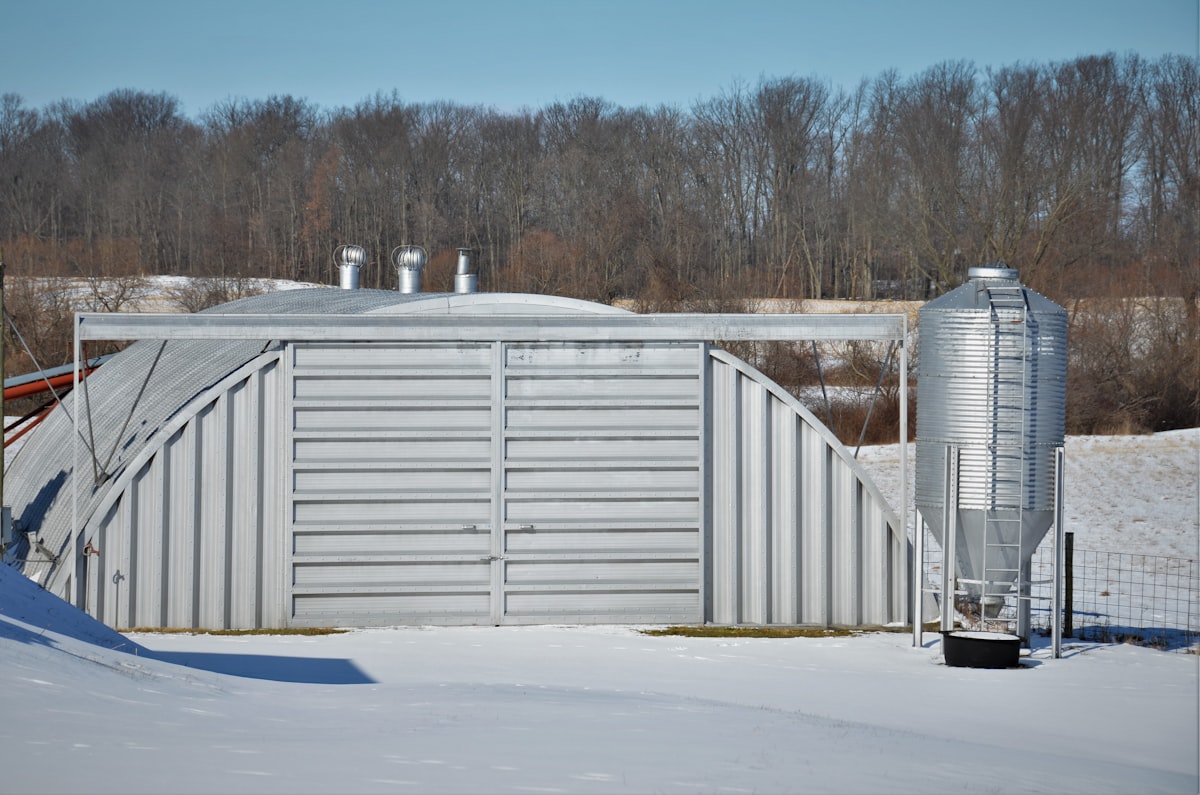
If you do not need to convert the entire warehouse, pre-fabricated modular cold rooms allow installing a 100 to 500 m2 cold zone within a conventional space, with lower investment and no structural works.
Frequently Asked Questions
Cold room construction costs range from 110 to 235 euros per m2, depending on temperature. A room for fruits and vegetables costs 110 to 145 euros per m2, while a pharmaceutical cold room can reach 235 euros per m2. The total cost is 2 to 3 times higher than a conventional warehouse.
About 269 kWh per m2 per year, 3 to 5 times more than a conventional warehouse. Refrigeration represents 70 to 80% of the electricity bill. For 1,000 m2 of frozen storage, the energy cost is around 30,000 to 40,000 euros per year.
For food storage, HACCP and DGAV licensing are mandatory. For animal-origin products, the NCV is required. For pharmaceuticals, Infarmed licensing and GDP certification are mandatory. ASAE handles inspection and enforcement.
Cold storage rent is 2 to 3 times higher than conventional warehouses. In the Lisbon area, conventional warehouses cost 5.70 to 10 euros per m2 per month, while frozen storage can cost 18 to 25 euros or more.
Yes, provided the warehouse has a minimum ceiling height of 6 meters, adequate floor load capacity (2 to 3 tons per m2), and three-phase power supply. Pre-fabricated modular cold rooms are an alternative for partial conversions.
It is a heating system (glycol pipes or electrical cables) installed under the slab in freezer rooms. It prevents ice formation under the floor, which can cause lifting and severe structural damage.
The European F-gas regulation is phasing out high-GWP HFCs. New installations should use low-impact refrigerants such as CO2, ammonia (NH3), or propane (R-290) to avoid future adaptation costs.
Looking for a Warehouse to Rent?
We have industrial warehouses available for lease in Greater Lisbon. Competitive prices and flexible contracts