Complete Guide
Types of Industrial Warehouses: Which Is Right for Your Business?
Not all industrial warehouses are the same. Depending on the industry sector, type of goods and logistics operation, the requirements for space, temperature, regulation and infrastructure vary significantly. A warehouse ideal for e-commerce won't work for pharmaceutical storage, and a logistics space has very different requirements from an auto repair workshop. In this guide, we compare the main types of industrial warehouses to help you choose the solution that best fits your business.
Articles in this guide
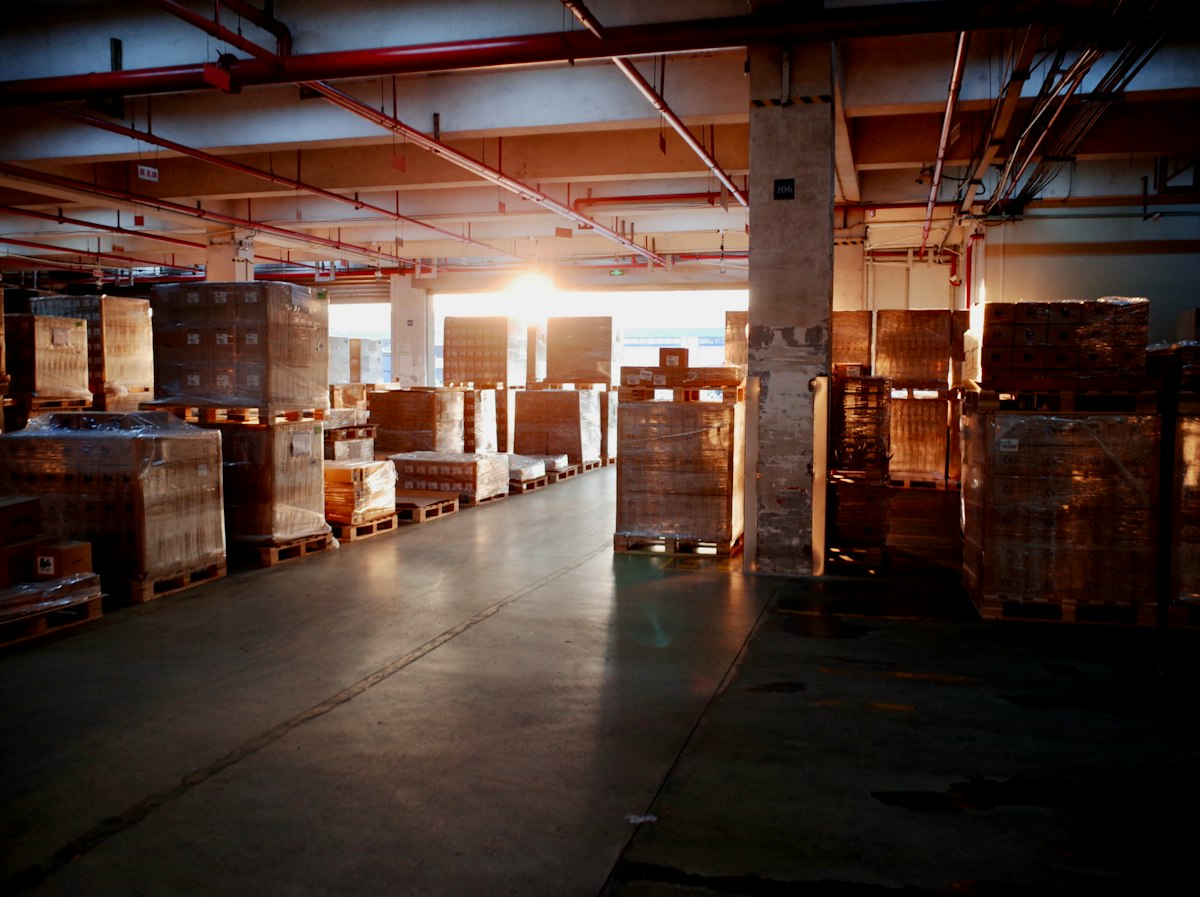
Logistics Warehouse: Types, Requirements and Costs (2026)
What sets a logistics warehouse apart from an industrial one, available types, technical specs and rents in Portugal in 2026.
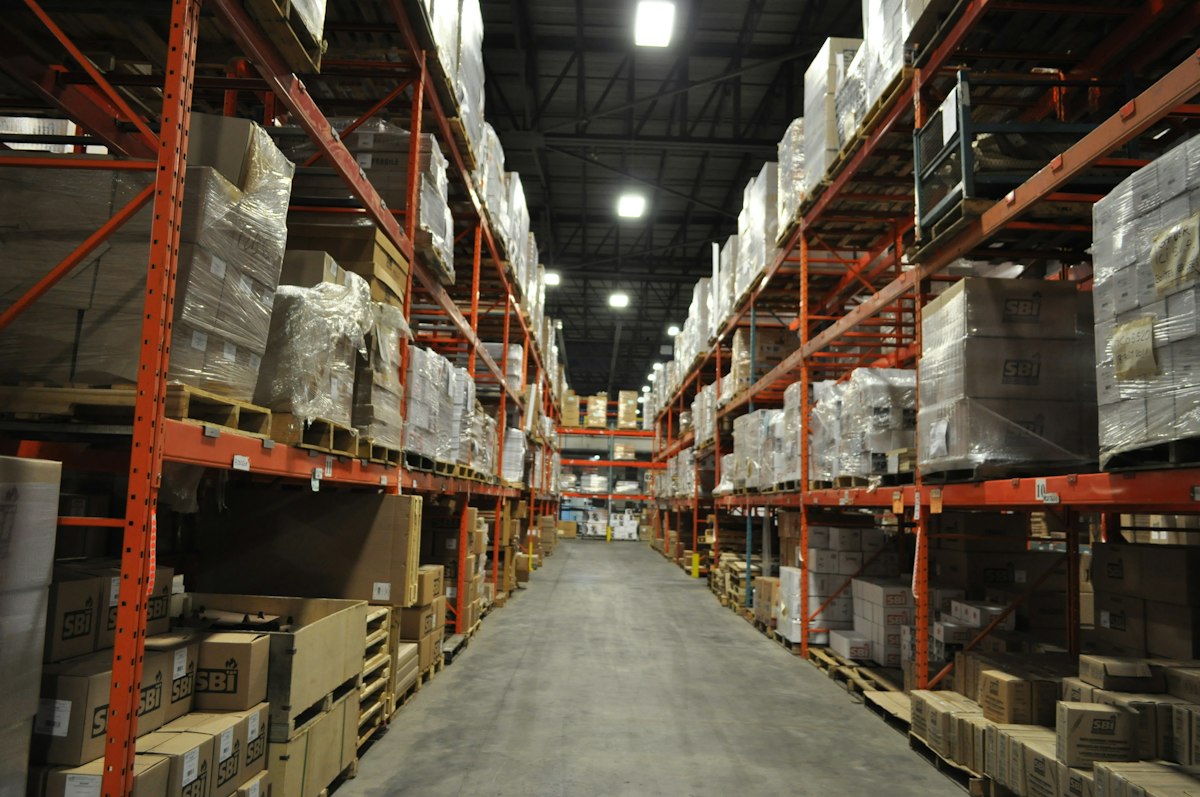
E-Commerce Warehouse: How to Choose in Greater Lisbon
Practical guide with market data, technical specifications and zone-by-zone analysis to choose the ideal e-commerce warehouse in Greater Lisbon.
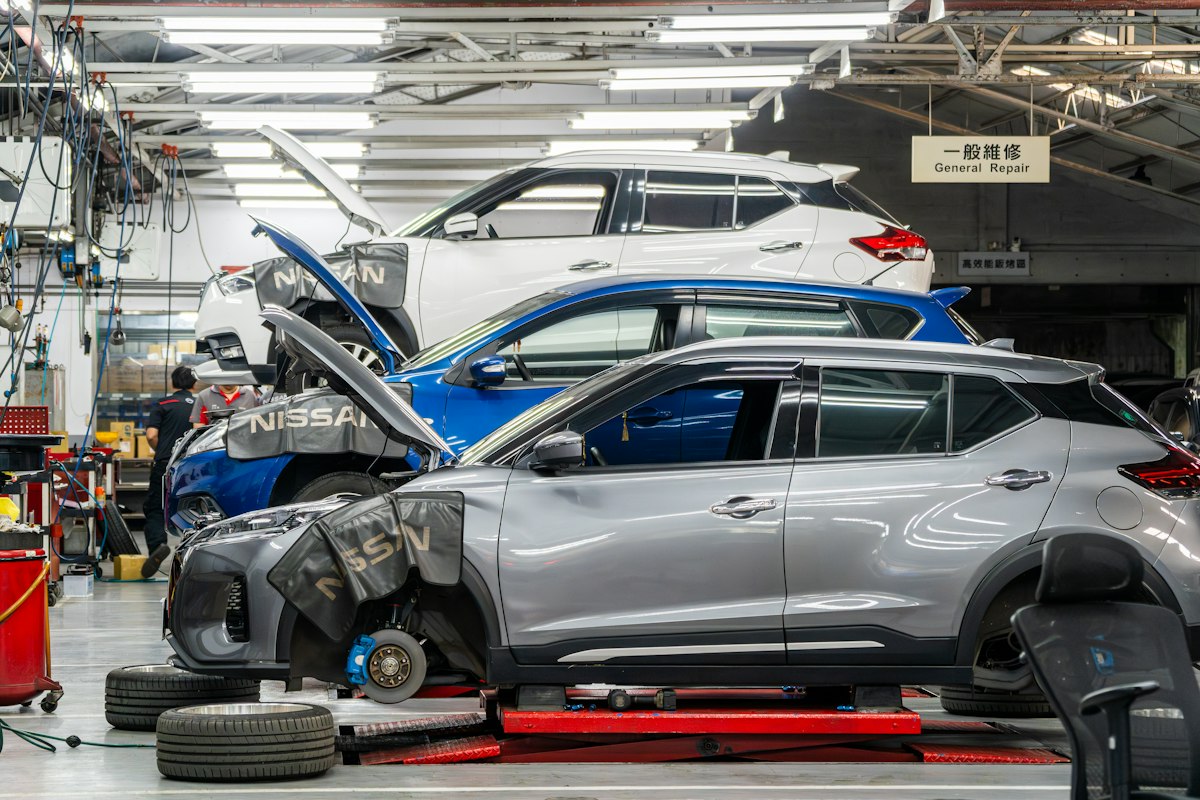
How to Choose the Ideal Warehouse for Your Auto Repair Workshop
Technical requirements, conversion costs and rents by zone for opening an auto repair workshop in Greater Lisbon.
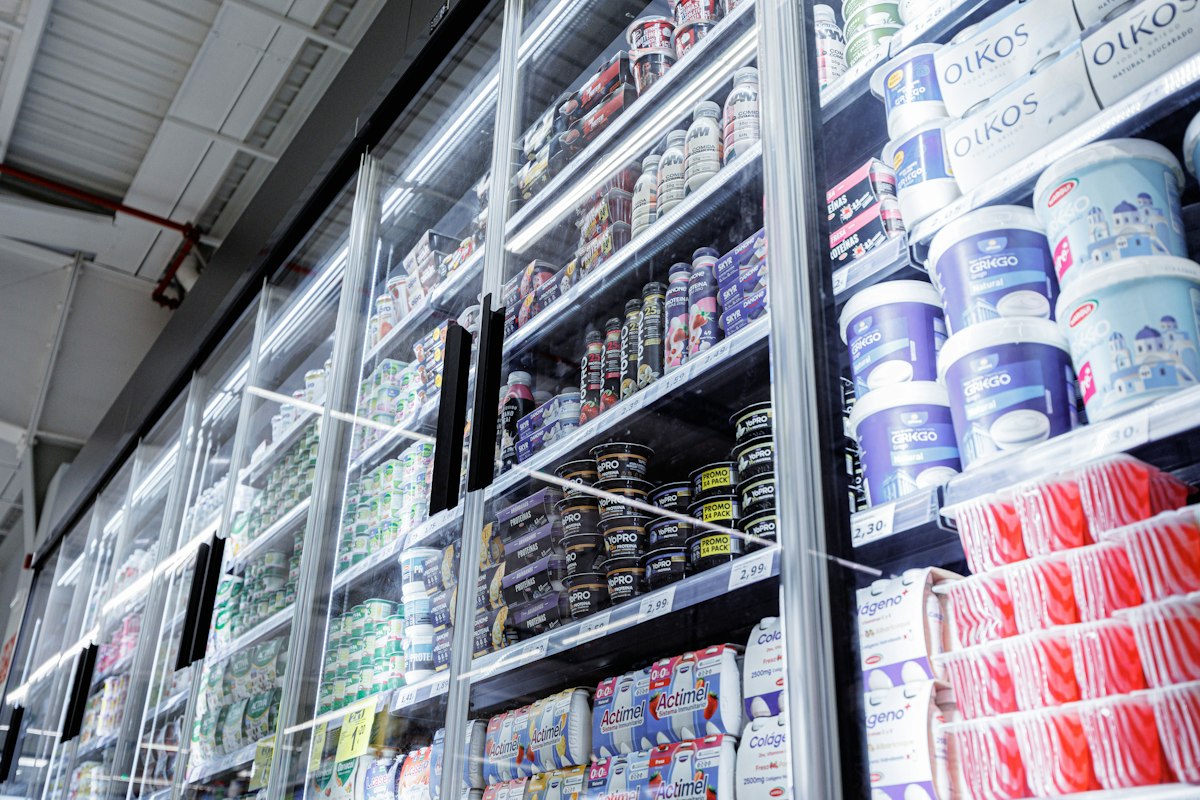
Cold Storage Warehouses: Requirements and Costs
Cold storage costs 2 to 3 times more than conventional warehouses. Learn the requirements by temperature zone, costs, and regulations in Portugal.
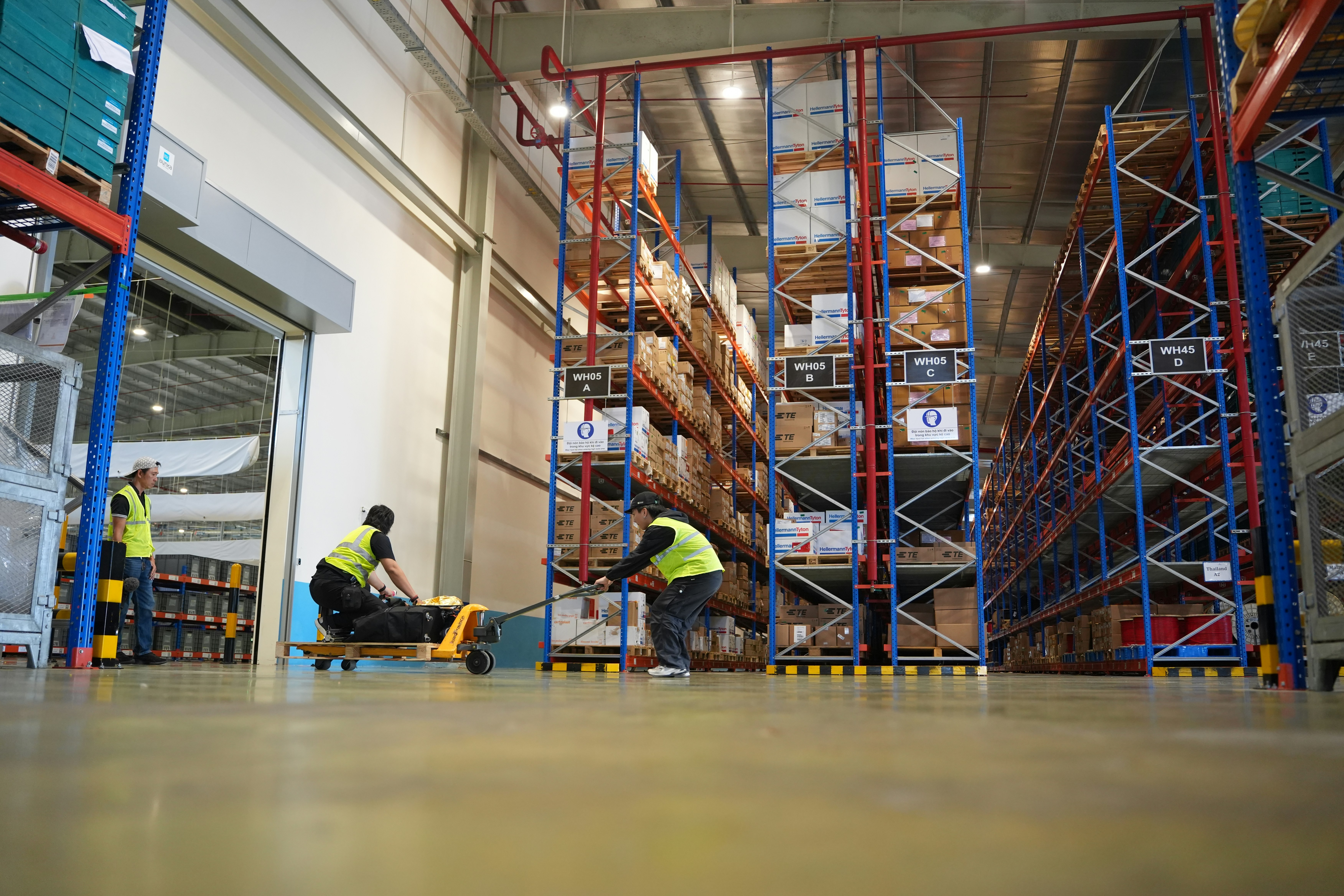
Pharmaceutical Warehouses: What the Regulations Require
Learn about GDP requirements, temperature zones, and INFARMED licensing for pharmaceutical warehouses in the Greater Lisbon Area.
Shared Warehouses: When Does It Make Sense to Split Space
Shared warehouses can cut costs by 30%. Learn about the models, legal framework in Portugal, and when splitting space pays off.

Temporary and Seasonal Warehouses: Flexible Solutions
From containers at €25/month to tent warehouses 3x cheaper. Complete guide to temporary storage solutions for businesses in Portugal.
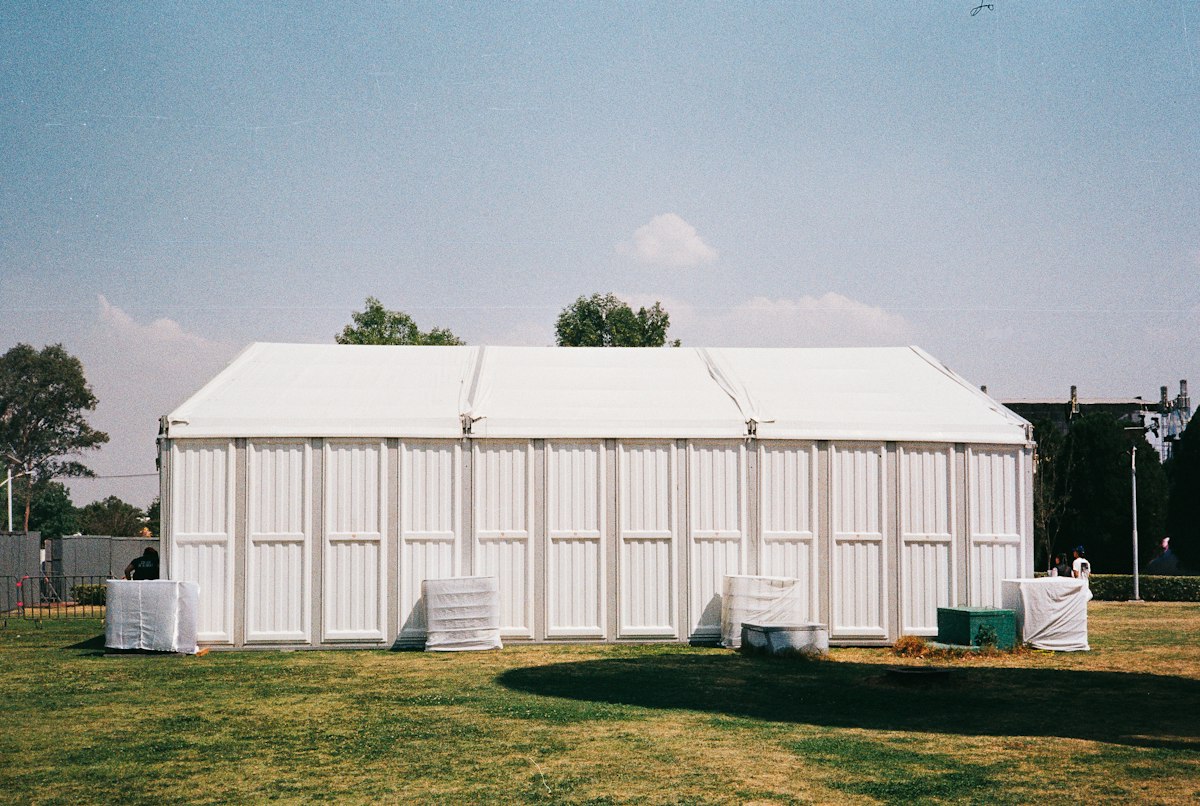
Dismountable Industrial Warehouses: Advantages and Costs
Guide to dismountable warehouses: types, purchase and rental costs, comparison with permanent construction, limitations and licensing in Portugal.
Frequently Asked Questions
Find answers to the most common questions about this topic
The main types include logistics warehouses (for distribution and cross-docking), e-commerce warehouses (with picking and dispatch zones), cold storage facilities (for perishable goods), pharmaceutical warehouses (with regulated temperature and humidity control), auto repair workshops/warehouses, shared warehouses (industrial coworking), temporary/seasonal warehouses and prefabricated (detachable) warehouses.
A logistics warehouse focuses on large-scale storage and distribution, with loading docks, high ceilings and heavy vehicle access. An e-commerce warehouse prioritizes fast order preparation, with optimized picking zones, packing areas, and proximity to urban centres for quick deliveries. The required areas also differ: logistics typically needs 1,000-10,000 sqm, while e-commerce can operate from 200-500 sqm.
Yes. Cold storage warehouses for food products require licensing by ASAE and compliance with HACCP standards. Pharmaceutical warehouses require INFARMED authorization, Good Distribution Practice (GDP) compliance, and validated temperature and humidity monitoring systems. In both cases, inspections are regular and mandatory.
Yes, shared warehouses provide access to industrial spaces with reduced costs and flexible contracts. They're ideal for early-stage companies, seasonal businesses or operations that don't yet justify a dedicated space. Security, maintenance and infrastructure costs are shared, and most offer areas starting from 50 sqm.
Prefabricated (detachable) warehouses are ideal when you need space quickly (installation in 2-4 weeks), the land is temporary or leased, or you want a removable solution. Temporary/seasonal warehouses make sense for demand peaks (e.g., Black Friday, Christmas), fixed-duration projects or as a transitional solution while searching for a permanent space. Costs per sqm are generally 20-40% lower than conventional warehouses.
Looking for a warehouse to rent?
Browse our warehouses available for lease in Greater Lisbon, with flexible terms and strategic locations.