How to Choose the Right Location for Your Warehouse
Guide to warehouse location selection: decision factors, rent vs transport trade-off, truck restrictions and infrastructure in the Lisbon Metropolitan Area.
Choosing where to rent a warehouse is one of the most consequential decisions a business can make. A location that seems affordable on paper may end up costing more once you factor in fuel, tolls, delivery times, and vehicle restrictions. Conversely, a premium address near the city centre may pay for itself through faster fulfilment and lower transport bills. In the Lisbon Metropolitan Area, where industrial rents vary by more than 40 percent between zones, getting this decision right is worth serious analysis.
This guide walks through the key factors, trade-offs, and upcoming changes that should inform your warehouse location strategy.
The Factors That Matter Most
Not every business weighs location criteria the same way, but five factors appear in virtually every decision.
Motorway and ring-road access, proximity to end customers, rent per square metre, labour availability, and local truck circulation rules.
Motorway access is the single most cited criterion. Warehouses within two kilometres of a motorway junction on the A1, A8, IC17 (CRIL), or IC19 corridors consistently command higher rents because they slash transit times. According to Cushman and Wakefield's 2025 Lisbon logistics report, properties with direct ring-road access achieve occupancy rates above 95 percent.
Proximity to customers matters most for last-mile and perishable-goods operations. If your delivery radius covers central Lisbon, a warehouse in Sacavém or Prior Velho puts you fifteen minutes from the city centre, compared with forty-five minutes or more from zones like Azambuja.
Rent per square metre varies dramatically. Prime logistics space along the Alverca–Azambuja corridor averages around five to seven euros per square metre per month, while locations closer to Lisbon such as industrial warehouses in Loures typically range from six to ten euros. Peripheral municipalities can drop below four euros, but the savings must be weighed against higher transport costs.
Labour availability is increasingly relevant. Zones well served by public transport or with nearby residential areas, such as Loures and Vila Franca de Xira, make it easier to recruit and retain warehouse staff.
Truck restrictions are a growing constraint. Lisbon's expanding low-emission zones and time-based circulation bans in certain neighbourhoods mean that a warehouse inside the city limits can actually slow down operations during peak hours.
Looking for a warehouse in the ideal location?
Explore strategically located warehouses with great access in Greater Lisbon
Location by Type of Operation
The best location depends heavily on the kind of logistics you run. A cold-chain distributor has different needs from an e-commerce fulfilment centre or a bulk-storage operation.
Last-mile and e-commerce thrive on the CRIL corridor from Sacavem to Prior Velho. Regional distribution fits the A1 axis from Alverca to Azambuja. Bulk storage and price-sensitive operations should look at Vila Franca de Xira or the south bank.
Last-mile delivery and e-commerce fulfilment need speed above all. The ideal zones sit along the CRIL (IC17) ring road, particularly in Sacavém, Prior Velho, and Bobadela. These locations offer fifteen-minute access to Lisbon's centre and airport, which is critical when same-day or next-day delivery is the standard. For a detailed breakdown of these zones, see the guide to industrial warehouses in Lisbon.
Regional distribution operations that serve the broader Lisbon Metropolitan Area or the national market benefit from the A1 motorway corridor. Alverca, Forte da Casa, and Vila Franca de Xira provide large-footprint warehouses at moderate rents, with direct north-south motorway access. This corridor is also where most third-party logistics providers cluster, which simplifies subcontracting.
Bulk storage and archiving are the most price-sensitive operations. These businesses should consider zones further from Lisbon where rents fall below five euros per square metre. The south bank, particularly Palmela and Setúbal, offers large plots at competitive rates. For businesses on a tight budget, the overview of affordable warehouses covers the best options across the region.

Rent Versus Transport: The True Cost
One of the most common mistakes in warehouse location decisions is optimising for rent alone. A warehouse that costs two euros less per square metre but adds thirty minutes to every delivery run can easily end up being more expensive overall.
For a fleet making twenty daily deliveries, an extra thirty minutes per trip at an average cost of forty-five euros per hour adds roughly 6 750 euros per month in transport costs alone. That figure can dwarf the rent savings from a cheaper location.
The total logistics cost equation includes rent, fuel, tolls, driver wages, vehicle maintenance, and the opportunity cost of slower delivery. A useful rule of thumb from JLL's 2025 Iberian logistics study is that transport typically represents 45 to 55 percent of total warehouse operating costs, while rent accounts for only 15 to 25 percent. This means that a location closer to your delivery zone, even at a higher rent, often reduces total costs.
For a practical comparison of rent levels across zones, see the full analysis of warehouse prices by zone.
List your top three location options. For each, estimate monthly rent for your required area, average daily delivery routes and distances, fuel and toll costs per route, and driver time per route at your hourly labour cost. The location with the lowest combined figure is your best choice.
Companies that run this exercise frequently discover that mid-priced zones like Loures and Odivelas deliver the best balance between rent and transport efficiency, especially for operations with a delivery radius concentrated in Greater Lisbon.
Truck Restrictions and Emission Zones in Lisbon
Lisbon's traffic policies are becoming steadily more restrictive for heavy vehicles, and this trend directly affects warehouse location strategy.
The city's low-emission zone (Zona de Emissoes Reduzidas) currently covers central Lisbon and prohibits entry for the most polluting vehicles. The municipality has signalled plans to expand this zone and tighten the emissions standards required for access. For warehouse operators relying on older diesel fleets, this effectively rules out locations inside the zone or that require transit through it.
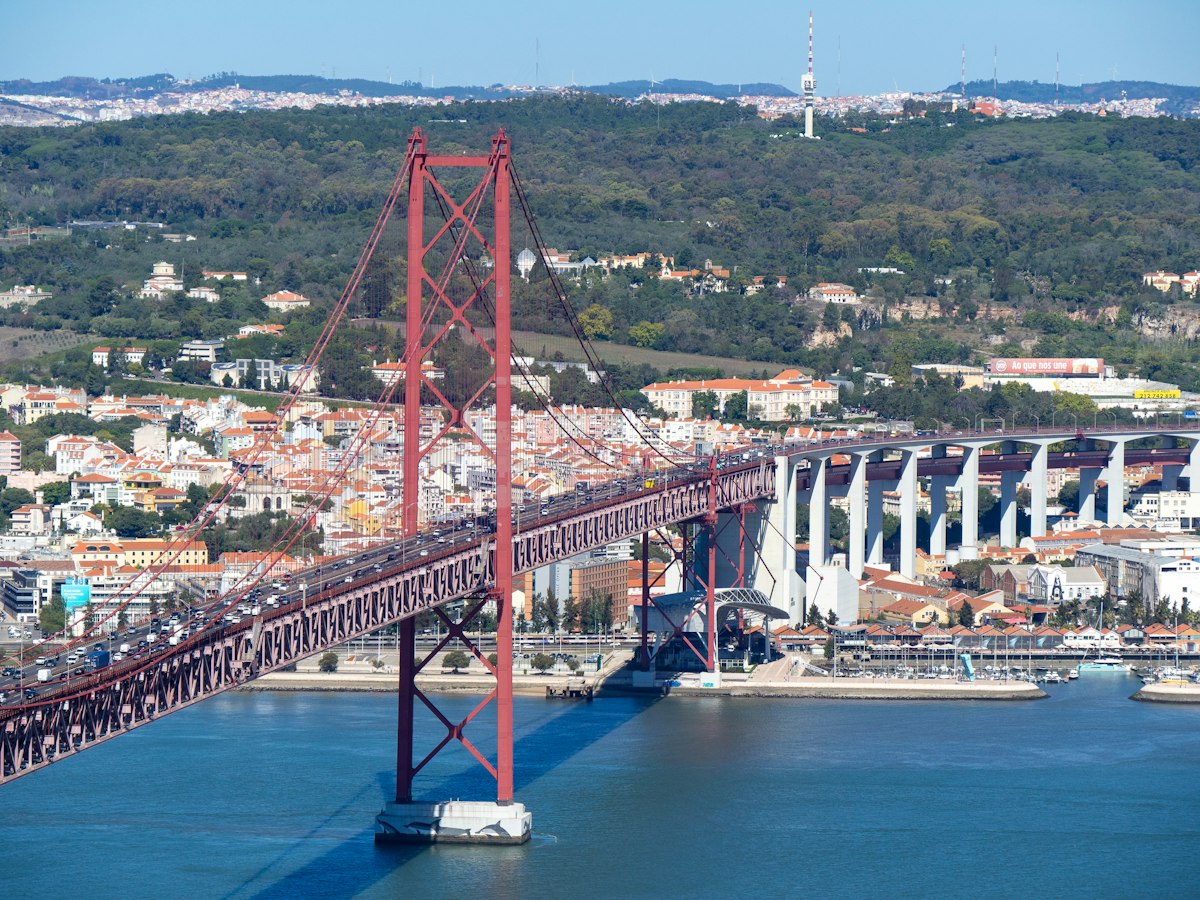
Heavy vehicles above 7.5 tonnes face time-based bans on several Lisbon roads during peak hours. The Ponte 25 de Abril restricts trucks at certain times. The CRIL and A1 remain unrestricted, making ring-road-adjacent warehouses the safest long-term bet.
Beyond emissions, weight and size restrictions on urban roads mean that articulated trucks often cannot access warehouses located in older industrial areas with narrow streets. This is a practical issue in parts of Amadora and eastern Lisbon where industrial plots exist but road infrastructure was designed for lighter traffic.
The safest strategy is to choose a warehouse with direct access to the motorway network via the CRIL, A1, or A8, avoiding any need to transit through restricted urban areas. This is one reason why the Sacavém to Prior Velho corridor and the Alverca to Vila Franca de Xira axis remain the most sought-after logistics locations.
Need Expert Help?
Durgesta assists you with all technical and legal documentation, condition negotiation, and personalised support
Infrastructure Under Development: What Will Change
Several major infrastructure projects in the Lisbon Metropolitan Area will reshape warehouse demand patterns over the next decade.
The new Lisbon airport at Alcochete, currently in the planning and environmental assessment phase, is expected to generate significant logistics demand on the south bank of the Tagus. Warehouses in Montijo, Alcochete, and Palmela are likely to see rising demand and rents as the project advances. Businesses that secure space in these areas now may benefit from appreciation.
The new Tagus crossing at Barreiro (the Terceira Travessia do Tejo) will dramatically improve connectivity between the south bank and the Lisbon peninsula. This bridge, once completed, will make south-bank warehouse locations far more viable for operations serving northern Lisbon and the broader metropolitan area.
Rail freight improvements along the Sines–Lisbon corridor are also underway. The expansion of intermodal terminals near Poceirão and Entroncamento will benefit warehouses near rail-served logistics parks, particularly for import-export operations.
For businesses signing long-term leases of five years or more, these projects should factor into the location decision. A warehouse on the south bank that seems peripheral today may become a prime logistics address within a few years.
Frequently Asked Questions
Motorway and ring-road access is consistently the top priority. A warehouse within two kilometres of a major junction on the CRIL, A1, or A8 reduces transit times and keeps delivery costs predictable regardless of traffic conditions.
In most cases, yes. Transport costs typically represent 45 to 55 percent of total logistics expenses, while rent accounts for only 15 to 25 percent. A closer location that reduces daily delivery distances usually lowers total operating costs even at a higher rent per square metre.
Loures, particularly the Sacavem and Prior Velho corridor, offers a strong balance of moderate rents and excellent access to both central Lisbon and the motorway network. Vila Franca de Xira provides larger spaces at lower rents for operations that do not require proximity to the city.
Lisbon's low-emission zone and peak-hour bans on heavy vehicles make it increasingly difficult to operate from warehouses inside the city or along routes that cross restricted areas. Choosing a location with direct ring-road access avoids these constraints entirely.
Yes. The planned airport at Alcochete is expected to generate significant logistics demand in Montijo, Alcochete, and Palmela. Businesses that secure warehouse space on the south bank now may benefit from improved connectivity and rising demand as the project progresses.
Plan for at least 20 to 30 percent more space than your current needs to accommodate growth. Most logistics operators in the Lisbon Metropolitan Area rent between 500 and 2 000 square metres, though e-commerce fulfilment centres increasingly require 3 000 square metres or more.
The process usually takes two to four months from initial search to lease signing. In high-demand zones like Sacavem or Alverca, available stock is limited and moves quickly, so starting the search early and working with a specialist in industrial property is advisable.
Looking for a Warehouse to Rent?
We have industrial warehouses available for lease in Greater Lisbon. Competitive prices and flexible contracts