Industrial Warehouse Maintenance: What to Do and When
Preventive maintenance calendar for industrial warehouses: roof, floor, electrical, HVAC, fire systems, costs and legal obligations in Portugal.
A warehouse roof leak at 2 a.m. on a Friday never arrives alone. It brings damaged inventory, an emergency contractor invoice three times the normal rate, and a week of disrupted operations. The irony is that a scheduled inspection costing a fraction of that amount would have caught the problem months earlier.
Preventive maintenance is not glamorous work, but the numbers speak clearly: facilities that follow a structured plan avoid up to 95 percent of unexpected breakdowns. Every euro spent on prevention saves three to five euros in emergency repairs, lost productivity, and insurance complications.
This guide lays out a practical calendar for industrial warehouse maintenance in Portugal, covering what to inspect, how often, what it costs, and who is legally responsible.
Maintenance Calendar: What to Check and When
Not every system needs the same attention cycle. The table below organises the main warehouse systems by inspection frequency, so facility managers can build a realistic schedule.
| Frequency | System | Key Actions |
|---|---|---|
| Monthly | Fire safety | Test alarm panels, check emergency lighting, verify extinguisher access |
| Monthly | Loading docks | Inspect door mechanisms, seals, and safety bumpers |
| Quarterly | HVAC | Clean filters, check refrigerant levels, inspect condensers |
| Quarterly | Plumbing | Check drains, gutters, and downpipes for blockages |
| Semi-annual | Roof | Inspect membranes, flashings, skylights, and drainage |
| Semi-annual | Electrical | Thermal imaging of panels, test RCDs and circuit breakers |
| Annual | Floor | Assess epoxy or concrete condition, mark repair zones |
| Annual | Racking | Full EN 15635 inspection by certified engineer |
| Every 5 years | Electrical (full) | Mandatory regulatory inspection under DL 96/2017 |
Water infiltration is the single most common cause of accelerated degradation in every other system. A semi-annual roof check catches small membrane tears before they become large-scale damage to structure, electrical systems, and stored goods.
Monthly checks
Monthly tasks focus on life-safety systems and high-wear components. Fire alarm panels should be tested to confirm signal transmission to the central monitoring station. Emergency lighting batteries degrade over time, and a quick functional test each month prevents dark evacuation routes during an actual emergency. Loading dock doors, which cycle hundreds of times per week, need regular inspection of springs, tracks, and weather seals.
Quarterly checks
HVAC systems lose efficiency gradually. A dirty condenser coil increases energy consumption by 10 to 20 percent before anyone notices a temperature change. Quarterly filter replacement and condenser cleaning keep energy bills under control. a topic explored further in our guide on how to optimise your industrial electricity bill.
Drainage deserves the same quarterly rhythm. Blocked gutters and downpipes redirect rainwater to places it should never reach, accelerating roof membrane and facade deterioration.
Semi-annual and annual checks
Roof inspections twice a year. ideally before and after the rainy season. catch membrane defects, loose flashings, and clogged drainage outlets. Electrical thermal imaging identifies overloaded circuits and loose connections that standard visual inspections miss.
Annual floor assessments map cracks, delamination, and heavy-traffic wear zones so repairs can be batched efficiently. Racking inspections under EN 15635 are not optional for any warehouse storing goods at height: damaged uprights or beams under load are a collapse risk.
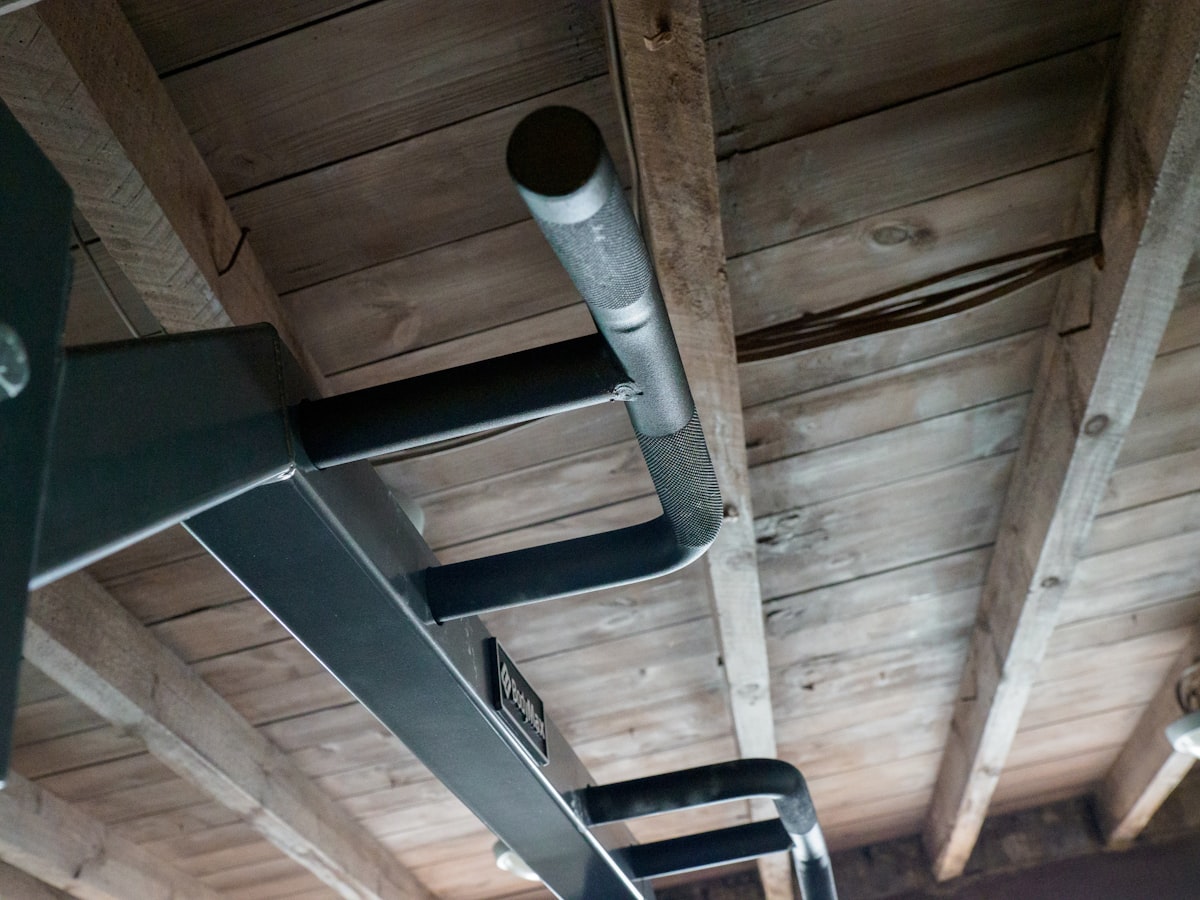
Inspectors classify damage into green (monitor), amber (act within four weeks), and red (unload and repair immediately). Keeping a log of these classifications satisfies both legal and insurance audit requirements.
Want a well-maintained, ready-to-use warehouse?
Our warehouses are maintained to the highest standards — browse available options
How Much Does Warehouse Maintenance Cost
Maintenance costs vary with warehouse size, age, and condition, but reference values help with annual budgeting.
| Item | Typical Cost |
|---|---|
| Roof repair (general) | 15 to 40 euros per square metre |
| Roof waterproofing membrane | 15 to 25 euros per square metre |
| Epoxy floor coating | 9.40 to 10.70 euros per square metre |
| Electrical regulatory inspection | 300 to 800 euros (varies by installation size) |
| Fire extinguisher servicing | Approximately 35 euros per unit per year |
| HVAC maintenance per unit | 100 to 250 euros per service |
| Racking inspection (EN 15635) | 500 to 1,500 euros depending on warehouse size |
Facility management benchmarks suggest allocating 1.5 to 2.5 percent of the property replacement value annually for preventive maintenance. For a 2,000-square-metre warehouse, this typically translates to 8,000 to 20,000 euros per year depending on building age and systems installed.
The cost comparison between preventive and corrective approaches is stark. Replacing a small section of roof membrane during a scheduled visit might cost 500 euros. Waiting until that same defect causes interior water damage can multiply the bill to 5,000 euros or more once you factor in emergency labour rates, inventory losses, and accelerated degradation of insulation and electrical components.
HVAC is another area where prevention pays for itself directly. A 200-euro quarterly service that keeps condensers clean avoids the 10 to 20 percent energy surcharge from reduced heat exchange efficiency. Over a year, that surcharge on a medium warehouse easily exceeds the total annual service cost.

Legal Obligations: What the Law Requires
Portuguese legislation imposes specific maintenance obligations on industrial facilities. Non-compliance carries financial penalties and, in serious cases, criminal liability.
Electrical installations fall under Decreto-Lei 96/2017, which mandates a full regulatory inspection every five years for industrial premises. The inspection must be carried out by a certified entity (entidade inspetora), and the resulting report must be kept on-site and available for authorities.
Fire safety equipment has its own maintenance cycle. Fire extinguishers require annual servicing and recharging by certified technicians, with a complete hydraulic test every five years. The legal regime for fire safety in buildings (Regime Jurídico da Segurança contra Incêndios em Edifícios) sets these intervals, and non-compliance triggers fines from 180 to 11,000 euros depending on severity and the operator's legal status.
For a deeper look at fire prevention requirements, see our guide on warehouse fire safety, prevention equipment, and costs.
A warehouse with 20 expired extinguishers does not receive a single fine. Each unit can constitute a separate infraction, and penalties of 180 to 11,000 euros per unit add up quickly during a municipal or civil protection audit.
Racking systems do not have a Portuguese-specific legal mandate for annual inspection, but EN 15635 is the recognised European standard. In practice, insurers and occupational health and safety auditors expect compliance, and failure to inspect is treated as negligence in liability disputes.
Occupational safety regulations also intersect with maintenance. Poorly maintained floors, lighting, and ventilation can result in findings during ACT (Autoridade para as Condições do Trabalho) inspections, with consequences ranging from improvement notices to facility closure orders.
Need Expert Help?
Durgesta assists you with all technical and legal documentation, condition negotiation, and personalised support
Who Pays: Tenant or Landlord
The default rule under Article 1074 of the Portuguese Civil Code assigns ordinary maintenance to the tenant and structural repairs to the landlord. However, Article 1111 of the same code grants broad freedom of contract for commercial leases, meaning the parties can redistribute responsibilities however they see fit.
In practice, most industrial lease contracts in the Lisbon Metropolitan Area follow one of two models.
Net lease (tenant maintains everything). The tenant assumes responsibility for all maintenance, including roof and structural elements, in exchange for a lower base rent. This model is common in long-term leases of ten years or more, where the tenant effectively operates the building as if it were their own.
Modified gross lease. The landlord handles structural and roof maintenance while the tenant manages interior systems (HVAC, electrical, fire safety, flooring). This is the more common arrangement for shorter lease terms.
Regardless of the model chosen, the contract should specify exactly which systems fall under each party's responsibility, the required maintenance standards, and the documentation the tenant must provide to prove compliance. For tenants evaluating a new lease, understanding maintenance obligations upfront is as important as the rent itself. A low headline rent with full maintenance responsibility can cost more than a higher rent where the landlord covers structural items. Our guide on warehouse insurance covers how these obligations interact with insurance policy requirements.
Consequences of Neglecting Maintenance
The costs of deferred maintenance compound in ways that are not always obvious.
Insurance claim denial. Insurers routinely investigate maintenance records after a claim. If a roof leak damages inventory and the insurer finds no evidence of regular roof inspections, the claim can be partially or fully denied. The policy wording typically requires the insured to take "reasonable precautions" to prevent loss, and absence of a maintenance programme is a straightforward argument for the insurer.
Accelerated depreciation. A warehouse roof membrane rated for 20 years will not last 20 years without maintenance. Blocked drainage, accumulated debris, and unrepaired punctures reduce that lifespan to 10 or 12 years, effectively doubling the long-term cost of the roof.
Operational disruption. Emergency repairs take longer, cost more, and happen at the worst possible time. A failed HVAC system in August or a collapsed racking bay during peak season disrupts operations far beyond the direct repair cost.
Safety incidents. Poorly maintained electrical installations, damaged flooring, and degraded fire safety systems create conditions for workplace accidents. Beyond the human cost, employers face regulatory penalties and potential criminal liability.
Tenant liability. Tenants who fail to maintain systems assigned to them in the lease contract may face claims from the landlord for property damage, loss of value, or breach of contract at lease end.
Comprehensive security systems also require regular maintenance to remain effective. Cameras, access control, and alarm systems degrade without periodic testing and upkeep.
Keep a digital record of every inspection, repair, and service visit with dates, costs, and contractor details. This log serves as evidence for insurance claims, lease compliance, and regulatory audits. A simple shared spreadsheet works. the key is consistency.
Frequently Asked Questions
Twice a year is the recommended minimum, ideally before and after the rainy season. Warehouses in coastal areas or with flat roofs may benefit from quarterly visual checks due to higher exposure to moisture and wind-carried debris.
A reasonable budget is 1.5 to 2.5 percent of the property replacement value per year. For a typical 2,000-square-metre warehouse, this translates to roughly 8,000 to 20,000 euros annually depending on building age, installed systems, and condition.
Yes. Most commercial property insurance policies include a reasonable precautions clause. If the insurer can demonstrate that the damage resulted from a lack of basic maintenance, the claim may be reduced or denied entirely.
By default, the tenant handles ordinary maintenance including fire safety equipment. However, commercial lease contracts under Art. 1111 of the Civil Code allow the parties to agree on any distribution of responsibilities, so the specific contract terms prevail.
Operating an industrial facility with an expired electrical inspection certificate is a regulatory infraction. Fines vary, and in the event of an electrical incident, the absence of a valid inspection significantly increases both civil and criminal liability for the operator.
There is no Portuguese law that specifically mandates annual racking inspections. However, EN 15635 is the European reference standard, and insurers and occupational safety authorities expect compliance. Failure to inspect is treated as negligence in liability disputes.
Focus on preventive rather than corrective maintenance, batch similar repairs to reduce contractor mobilisation costs, and negotiate annual service contracts for HVAC and fire safety systems. Keeping energy systems clean also reduces utility bills, which offsets part of the maintenance spend.
Looking for a Warehouse to Rent?
We have industrial warehouses available for lease in Greater Lisbon. Competitive prices and flexible contracts