Warehouse Site Visit: What to Check Before Signing
Practical checklist for inspecting an industrial warehouse before renting: floors, roof, electrical, fire safety, loading docks and documentation.
Renting a warehouse is not the same as renting an office. A coat of fresh paint can hide structural issues that only become apparent once trucks are reversing into loading bays and forklifts are stressing the floor every day. The site visit is your single best opportunity to separate a solid facility from a costly headache.
This guide walks you through every area you should inspect. from the slab beneath your feet to the paperwork in the landlord's filing cabinet. so you can negotiate from a position of knowledge rather than hope.
Structure and Flooring
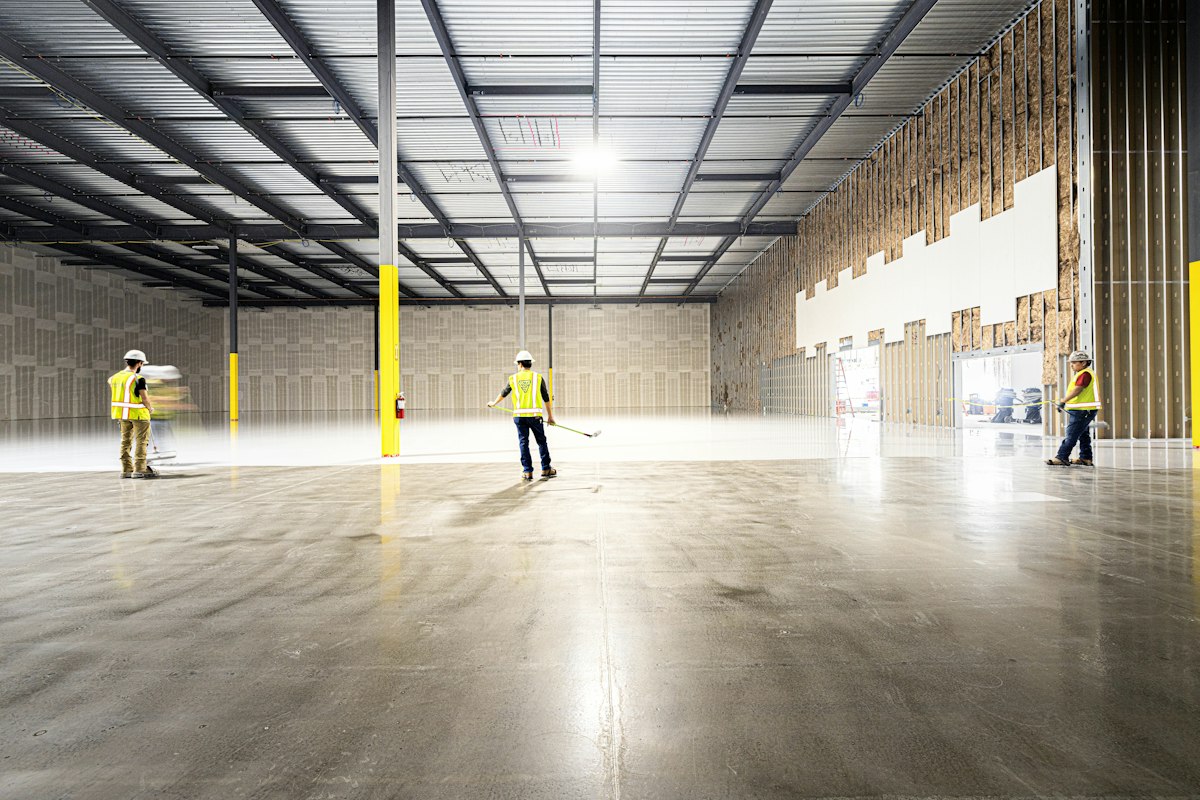
The floor is the most heavily used surface in any warehouse, yet it is the one tenants most often forget to examine. A reinforced concrete slab in good condition should withstand a minimum of 5 tonnes per square metre. If you plan to install pallet racking, the point loads at each rack post can reach 7 to 8 tonnes concentrated on a contact area of just 80 to 100 square centimetres.
Hairline cracks in the concrete are normal. Cracks wider than 2 mm or sections where the slab has visibly sunk suggest subsoil settlement and can compromise racking stability.
Walk the entire floor slowly. Bring a torch and look for:
- Cracks wider than 2 mm or signs of previous patching
- Uneven areas where puddles could form if water enters
- Surface dust or flaking that signals a weak or untreated slab
- Oil stains from previous tenants that may indicate chemical contamination
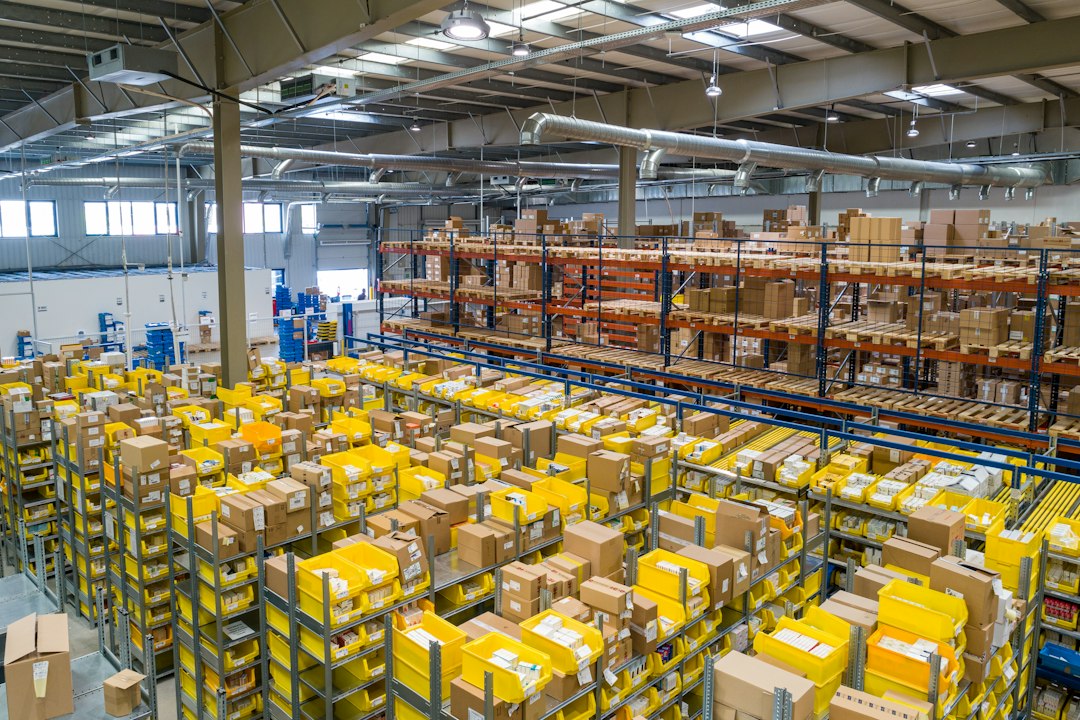
Column spacing matters too. Modern logistics warehouses use grids of roughly 12 by 24 metres, giving forklifts room to manoeuvre and allowing flexible racking layouts. Older industrial buildings, especially those built before the 1990s, often have columns every 6 metres in both directions. a configuration that severely limits storage capacity. Before the visit, think about how much area your operation actually needs so you can judge whether the column grid works for you.
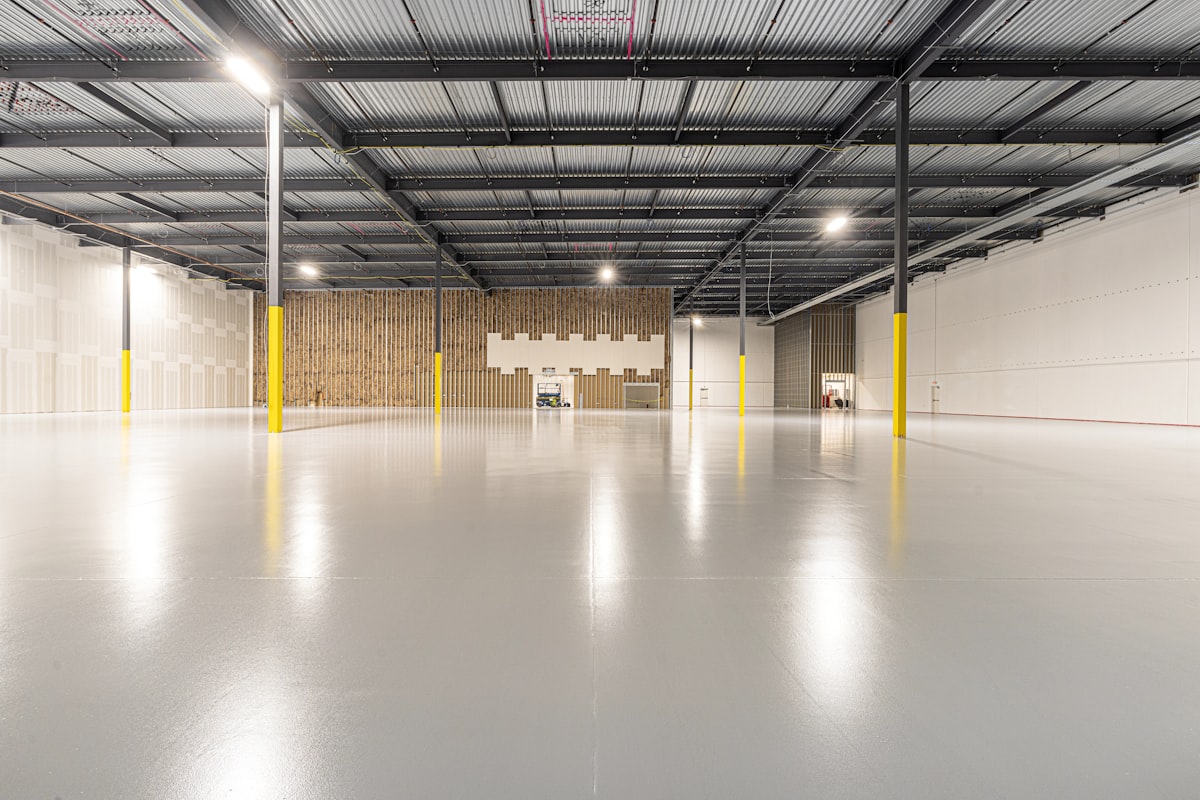
Ceiling height is the other structural variable that defines what you can do inside the building. Grade-A logistics warehouses in the Lisbon Metropolitan Area typically offer 10 to 12 metres of clear internal height. Manufacturing units sit in the 5.5 to 9-metre range, while older repurposed buildings may give you only 4 to 7 metres. Measure from the finished floor to the lowest obstruction. that might be a beam, a lighting fixture or a sprinkler pipe, not the peak of the roof.
Roof and Water Infiltration
The roof is the component most exposed to weather and the one whose failure causes the most damage to stored goods. During your visit, step outside and look up. If the roof is clad in corrugated fibre-cement sheets. sometimes still called by the brand name "Uralita". there is a high probability it contains asbestos, especially if the building dates from the 1960s to 1980s.
Portuguese law prohibits the installation of asbestos-containing materials. If the roof is confirmed to contain asbestos, removal must be carried out by a licensed contractor with proper containment measures. Clarify with the landlord who bears the cost before signing the lease.
Even if the roof material is safe, inspect the interior for:
- Water stains on walls or columns, which reveal past leaks
- Rust on the underside of metal roof panels
- Daylight visible through joints or ridge caps
- Gutters and downpipes that are blocked or disconnected
Ask the landlord when the roof was last inspected or repaired. A roof replacement can cost tens of thousands of euros, and a lease that makes the tenant responsible for structural maintenance could leave you with that bill.
Ready to visit available warehouses?
Schedule a visit to our warehouses and check the conditions in person
Electrical System
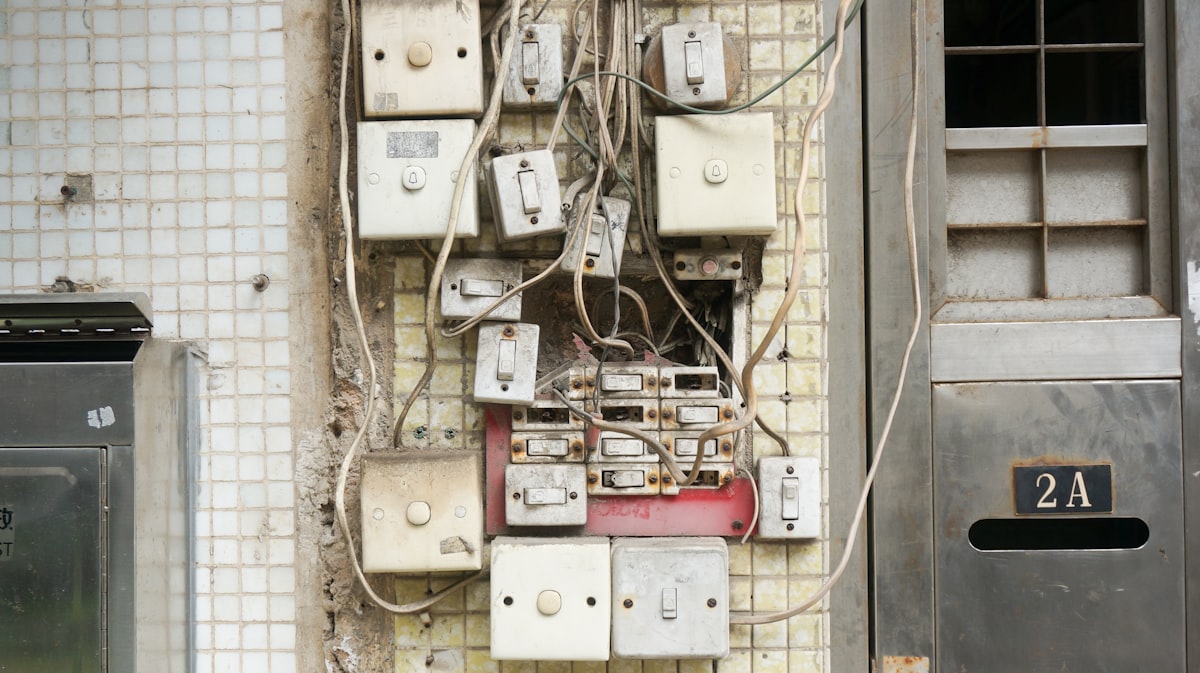
Every industrial warehouse needs a three-phase electrical supply. Single-phase power is insufficient for motors, compressors, dock levellers and most industrial lighting. During the visit, locate the main switchboard and check:
- Whether the supply is three-phase (380/400 V)
- The contracted power capacity in kVA
- The date on the last electrical inspection certificate
Portuguese regulations require electrical installations in industrial buildings to be inspected every five years. Ask to see the most recent certificate. An expired or missing certificate is a red flag.
If the existing contracted power is lower than what your operation demands, upgrading it involves a formal request to the energy distributor, which can take weeks and carry significant costs. Factor this into your timeline and your negotiation. For tips on keeping energy costs under control once you move in, see our guide on optimising the industrial electricity bill.
Fire Safety
Portuguese fire-safety regulations classify buildings into four risk categories under the SCIE framework (Seguranca Contra Incendio em Edificios). The category depends on the building's height, area, number of floors and the type of goods stored. From the third category upward, automatic sprinkler systems and fire-detection networks are mandatory.
During the visit, note whether the warehouse has:
- Fire extinguishers within the required distances
- Illuminated emergency exit signs
- Sprinkler heads on the ceiling (and whether they appear corroded)
- A fire-alarm panel near the entrance
- Adequate access for fire engines around the perimeter
The occupancy licence specifies the permitted use. If you change the type of goods stored. for instance, switching from textiles to chemicals. the fire-safety category may change and the existing systems may no longer comply. Always check what the licence allows before committing.
Understanding industrial licensing requirements before the visit helps you ask the right questions and avoid premises that would require expensive upgrades to meet your operational profile.
Loading Docks and External Access
A warehouse is only as efficient as its ability to receive and dispatch goods. The loading area is where supply chain speed is won or lost, and it deserves close attention during every site visit.
Start with the yard. An 18-metre articulated trailer needs a minimum turning and reversing depth of 38 metres in front of the dock face. If the yard is shallower, trucks will struggle to align with the docks, slowing every delivery and dispatch cycle.
Then count the docks. A common benchmark is one loading dock per 500 to 1,000 square metres of warehouse floor. Fewer docks mean queuing, especially during peak periods.
At each dock, check:
- The dock leveller operates smoothly and the lip extends fully
- The dock shelter (the rubber or inflatable seal around the trailer opening) is intact
- There is adequate lighting for safe loading at night
- The dock pit is clean and free of standing water
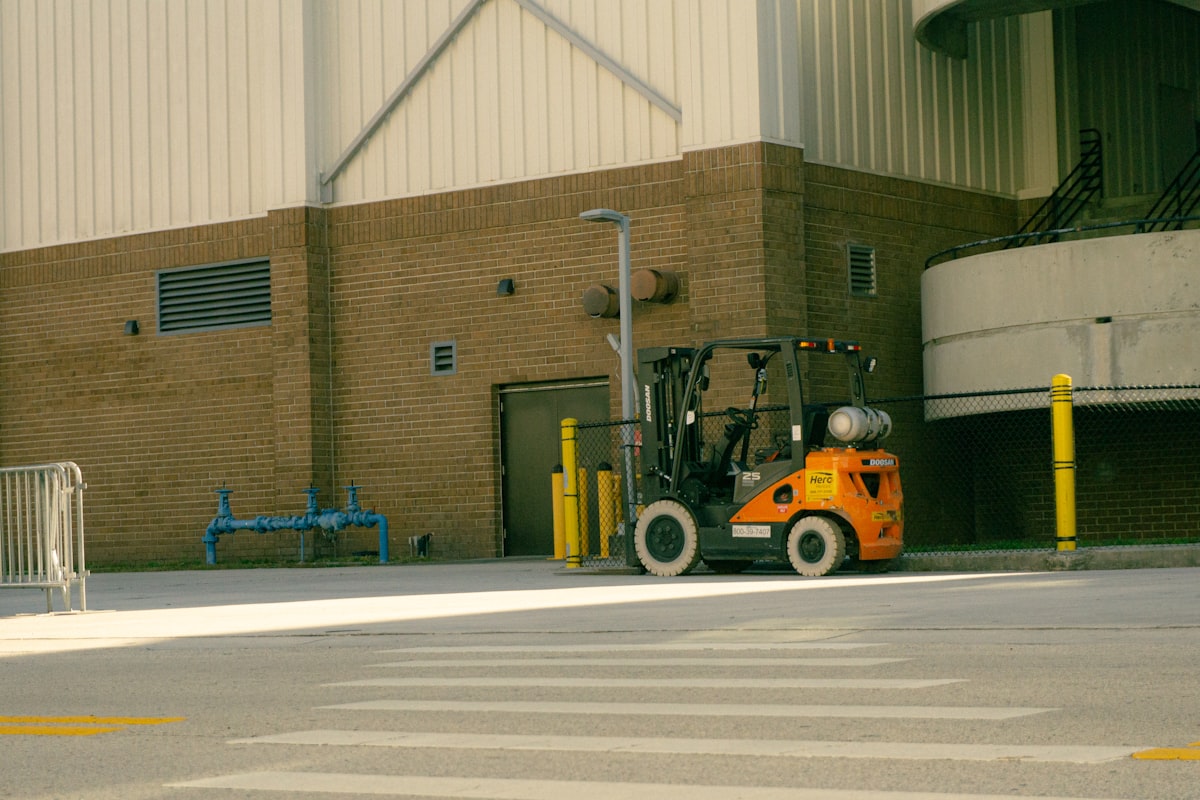
Do not forget ground-level access. Many smaller warehouses in the Lisbon Metropolitan Area have only roller-shutter doors at ground level, with no raised docks at all. This works for van deliveries and light goods, but it complicates full-pallet handling from large trucks. If your operation mixes vehicle sizes, look for a facility that offers both dock-height and ground-level doors.
Perimeter security is another factor to evaluate during the outdoor walkthrough. Check fencing, gate access, CCTV coverage and exterior lighting. For a deeper look at security systems and costs, read our article on industrial warehouse security.
Need Expert Help?
Durgesta assists you with all technical and legal documentation, condition negotiation, and personalised support
Documentation to Request from the Landlord
A good site visit is not only about what you see. it is also about what you read. Before signing any lease, request the following documents:
- Caderneta predial: the property registration booklet issued by the tax authority, confirming ownership and the registered area
- Licenca de utilizacao: the occupancy licence issued by the local council, stating the permitted use (warehousing, manufacturing, commerce, etc.)
- Energy certificate: mandatory for all leased commercial properties, rating the building's energy performance
- Floor plan: an up-to-date layout showing internal areas, columns, docks, office partitions and emergency exits
- Electrical inspection certificate: proof the installation was inspected within the last five years
- Fire-safety certificate or SCIE report: evidence the building complies with its assigned risk category
If the landlord cannot produce a valid occupancy licence for industrial or warehousing use, you should not sign the lease. Operating without one exposes you to fines and potential closure orders from the council.
Cross-reference the floor area on the licence with the area stated in the lease and the area you measure on site. Discrepancies are more common than you might expect, and they affect the rent-per-square-metre calculation directly.
If you are still comparing multiple options across the region, our overview of affordable warehouses for rent can help you benchmark pricing.
Frequently Asked Questions
A reinforced concrete slab should support at least 5 tonnes per square metre for general warehousing. If you plan to install pallet racking, verify that the floor can handle point loads of 7 to 8 tonnes concentrated on the small contact area of each rack post.
Look for grey corrugated fibre-cement sheets, sometimes referred to by the brand name Uralita. Buildings constructed between the 1960s and 1980s are most likely to contain asbestos roofing. Only a certified laboratory analysis can confirm the presence of asbestos fibres, so never attempt to sample or disturb the material yourself.
Industrial equipment such as motors, compressors, dock levellers and high-intensity lighting requires three-phase power at 380 to 400 volts. A single-phase supply cannot deliver the voltage and current stability these machines need and would trip breakers or damage equipment.
SCIE stands for Seguranca Contra Incendio em Edificios. It classifies buildings into four risk categories based on height, area, number of floors and the type of stored goods. From the third category onward, automatic sprinkler systems and fire-detection networks are mandatory.
For standard 18-metre articulated trailers, the yard should be at least 38 metres deep measured from the dock face. This gives the driver enough room to reverse into position safely without obstructing other traffic in the yard.
Request the caderneta predial (property registration booklet), the licenca de utilizacao (occupancy licence), the energy certificate, a current floor plan, the electrical inspection certificate and the fire-safety compliance report. Without the occupancy licence in particular, you have no legal basis to operate from the premises.
Portuguese regulations require industrial electrical installations to be inspected every five years. Ask the landlord to show you the most recent inspection certificate and check that it has not expired.
Looking for a Warehouse to Rent?
We have industrial warehouses available for lease in Greater Lisbon. Competitive prices and flexible contracts