Portugal 2030: Incentives to Modernize Your Warehouse
Discover the Portugal 2030 programs that fund up to 85% of your warehouse modernization: energy efficiency, automation, and digitalization.
Portugal 2030 has already approved over 11.9 billion euros in projects, yet the execution rate for the business program (COMPETE 2030) sits at just 4.9% (ECO/Sapo, 2026). Translation: billions of euros are available, with less competition than you would expect.
If you run a logistics, manufacturing, or commercial operation from an industrial warehouse, this article shows you the specific programs you can apply for, how much you can receive, and how to move forward.
What Is Portugal 2030 and Why It Matters for Your Business
Portugal 2030 is the partnership agreement between Portugal and the European Union for 2021–2027, with a total envelope of 23 billion euros in EU funds (Portugal 2030, 2026). It succeeds Portugal 2020, which closed with full fund execution.
For industrial and logistics companies, the relevant program is COMPETE 2030, with a 3.9-billion-euro allocation (COMPETE 2030). This program finances three areas:
- Innovation and competitiveness: automation, new equipment, production capacity expansion.
- Energy transition: decarbonization, energy efficiency, renewable energy.
- Qualification and digitalization: software, certifications, specialized consulting.
By February 2026, COMPETE 2030 had only 4.9% execution, versus 15.9% for Portugal 2030 overall. For applicants today, this means available funding and potentially shorter response times.
The 2026 annual plan foresees 220 calls for applications and approximately 3.9 billion euros in new funding (Start PME, 2026).
The Three Key Programs for Warehouse Modernization
Not all Portugal 2030 programs apply to warehouse operators. These three are the most relevant:
| Program | What It Funds | Maximum Rate | Budget |
|---|---|---|---|
| SITCE Decarbonization | Energy efficiency, LED, solar, HVAC | Up to 85% | €165M + €150M/year |
| SICE Productive Innovation | Automation, equipment, expansion | Up to 40–60% | €425M |
| SICE SME Qualification | Digitalization, software, certifications | Up to 50% | €18M |
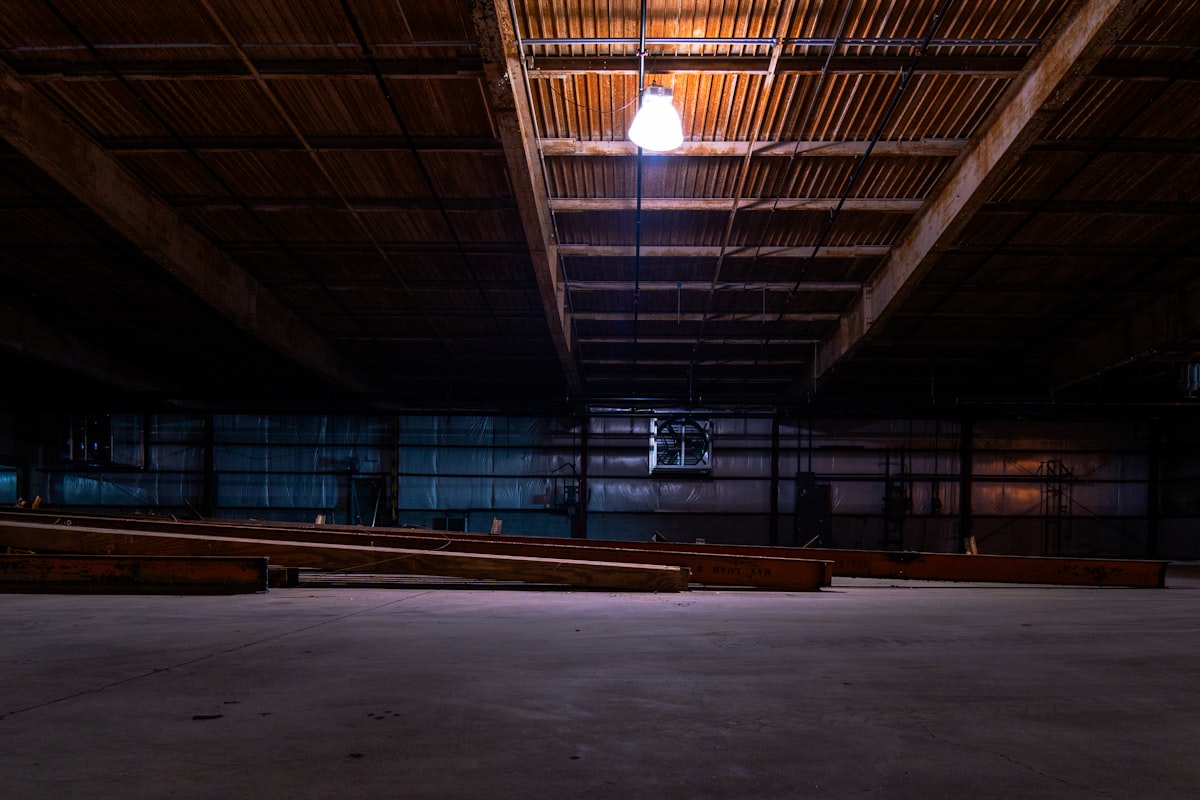
The SITCE (Decarbonization and Energy Efficiency) program offers the highest funding rate. It covers investments in replacing equipment with low-carbon alternatives, intelligent LED lighting, efficient HVAC systems, thermal insulation, and photovoltaic panels for self-consumption (COMPETE 2030, MPR-2026-01).
SICE (Productive Innovation) finances productive capacity modernization. For a warehouse, this includes automated storage and retrieval systems (AS/RS), electric forklifts, new racking and shelving, and Industry 4.0 equipment (PowerMetrics, 2026).
SICE (SME Qualification) targets digital and organizational transformation: WMS or logistics ERP implementation, process automation, artificial intelligence, cybersecurity, and certifications such as ISO 14001 (COMPETE 2030).
Which Warehouse Investments Are Eligible
One of the biggest challenges is understanding which investment fits which program. This table maps the most common warehouse interventions:
| Investment | Program | Rate |
|---|---|---|
| Intelligent LED lighting | SITCE | Up to 85% |
| Photovoltaic panels (self-consumption) | SITCE | Up to 85% |
| Thermal insulation (roof, walls) | SITCE | Up to 85% |
| HVAC replacement with heat pumps | SITCE | Up to 85% |
| Electric forklifts (replacing diesel) | SITCE | Up to 85% |
| Automated storage systems | SICE Innovation | Up to 40–60% |
| Industrial racking and shelving | SICE Innovation | Up to 40–60% |
| WMS or logistics ERP software | SICE Qualification | Up to 50% |
| ISO 14001 / EMAS certification | SICE Qualification | Up to 50% |
| Digital diagnostic (Industry 4.0) | Vale Industry 4.0 | 75% (max €7,500) |
If you have already analyzed your warehouse electricity bill costs, you know that lighting and HVAC represent the largest share. SITCE allows you to reduce those costs with up to 85% public funding.
Electric forklifts are eligible under SITCE when they replace fossil-fuel equipment. This is a way to modernize your fleet with up to 85% public support.
Want to modernize your warehouse with Portugal 2030?
View warehouses available for purchase or lease — and apply the incentives
How Much Can You Receive: Rates and Amounts by Program
Funding rates vary by program, company size, and location:
SITCE Decarbonization (General Regime):
- Maximum rate: up to 85% non-refundable grant.
- Minimum investment: 400,000 euros.
- Maximum investment: 25 million euros.
- Eligible regions: Norte, Centro, Alentejo, and Algarve.
SICE Productive Innovation:
- Base rate: 40% non-refundable grant.
- Top-ups: up to 50% for medium enterprises and 60% for micro and small enterprises in low-density territories.
- Minimum investment: 300,000 euros.
- Required financial autonomy: minimum 15%.
SICE SME Qualification:
- Rate: 50% in COMPETE 2030 regions and Algarve, 40% in Lisbon.
- Eligible domains: digitalization, organizational innovation, certifications, sustainability, cybersecurity, branding, and industrial property.
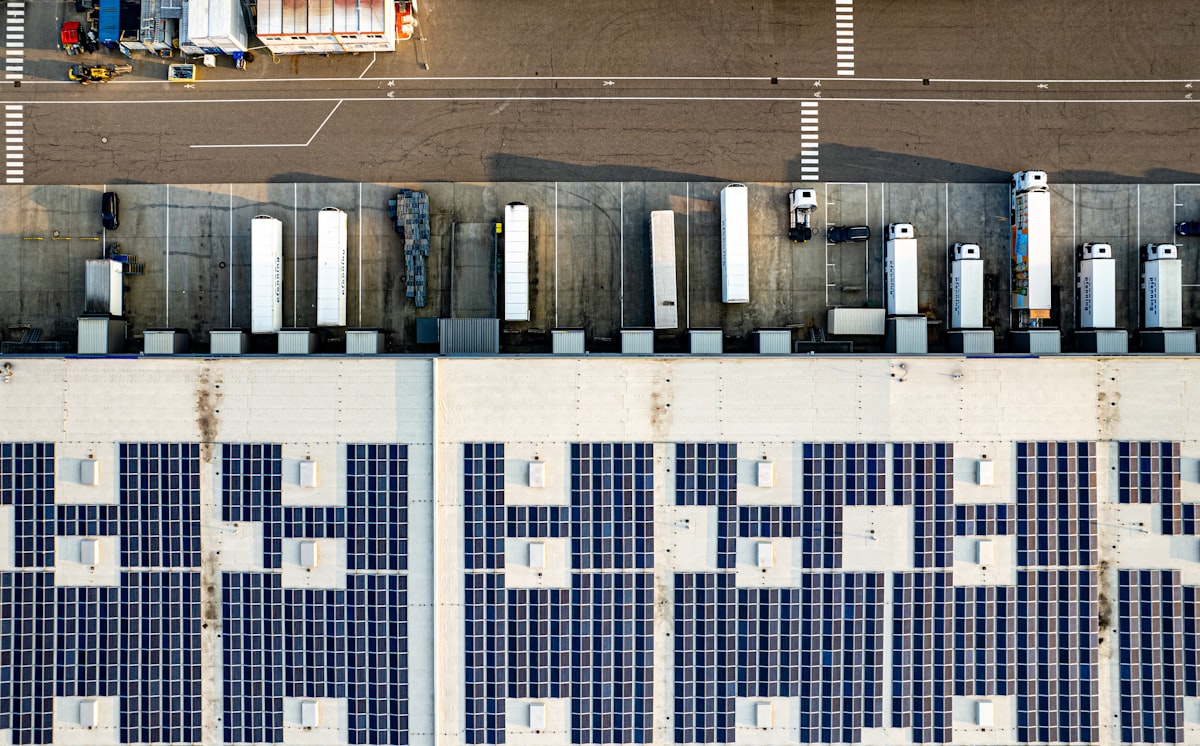
SITCE requires a minimum eligible investment of 400,000 euros, which can be high for smaller SMEs. If your project falls below this threshold, consider SICE SME Qualification or the Vale programs as alternatives.
Who Can Apply: Requirements and Eligibility
The requirements are common across most Portugal 2030 programs:
- SME Certification issued by IAPMEI (under DL 372/2007), when applicable.
- Tax and social security compliance with Autoridade Tributária and Segurança Social.
- Not a company in difficulty (positive equity and adequate financial autonomy).
- Minimum financial autonomy of 15% (20% for large enterprises).
- Financial capacity to cover the non-funded portion.
- DNSH compliance (Do No Significant Harm) on environmental matters.
For SITCE, there is an additional requirement: a mandatory energy audit by a qualified expert before the application. The project must demonstrate a minimum 30% reduction in GHG emissions (COMPETE 2030, MPR-2026-01).
The applicant is the entity making the investment. If you are a tenant investing in equipment or warehouse improvements (with the landlord's authorization for building works), you can be the direct beneficiary of the incentives.
If you are planning warehouse fit-out works, assess eligibility for these programs first. The funding can cover a significant share of the investment.
The Lisbon Problem and How to Work Around It
A critical point that most Portugal 2030 guides fail to mention: the SITCE General Regime excludes the Lisbon region. Eligible regions are Norte, Centro, Alentejo, and Algarve.
For companies in the Lisbon Metropolitan Area, the alternatives are:
- SICE Productive Innovation: includes the Lisbon region (PR Lisboa) with a 40% rate.
- SICE SME Qualification: includes Lisbon with a 40% rate.
- SITCE Contractual Investment Regime (RCI): includes Lisbon, but requires investments above 25 million euros (or 15 million if strategically important).
- Complementary tax benefits: the RFAI (Tax Regime for Investment Support) allows 10–25% corporate tax deductions on fixed asset investments, regardless of region.
Eligibility depends on the NUTS II region where the investment is located, not the company headquarters. Some warehouses on the Lisbon Metropolitan Area periphery may be classified in adjacent eligible regions.
Need Expert Help?
Durgesta assists you with all technical and legal documentation, condition negotiation, and personalised support
How to Apply: Step by Step
The application process is fully digital, through the Balcão 2030 platform (balcaofundosue.pt):
- Obtain SME certification on the IAPMEI portal (if you don't already have it).
- Conduct the energy audit (mandatory for SITCE, recommended for any application with an energy component).
- Prepare the technical project: detailed description, itemized budget, execution timeline (maximum 24 months), and impact demonstration.
- Gather documentation: tax clearance certificates (AT and SS), financial statements, SME certification, energy audit report.
- Register on Balcão 2030 and submit the application within the call deadline.
- Await evaluation and contracting of the incentive.
- Execute the project as approved.
- Submit reimbursement requests as you make the investments.
The legal framework is governed by Portaria no. 103-A/2023 (and subsequent amendments), which defines the specific rules for the SICE and SITCE systems.
Smart Strategy: Combining Multiple Programs
An approach that few consultants highlight: you can combine multiple Portugal 2030 programs for different components of the same modernization project.
A phased strategy can work like this:
- Phase 1: Diagnostic (Vale Industry 4.0): invest 7,500 euros in a digital diagnostic with 75% funding (actual cost: 1,875 euros). This report identifies the priority intervention areas.
- Phase 2: Energy efficiency (SITCE): based on the diagnostic and energy audit, apply for SITCE funding for LED, HVAC, insulation, and solar panels. Up to 85% funding.
- Phase 3: Automation and equipment (SICE Productive Innovation): modernize operations with automated systems, new racking, and electric forklifts. Up to 40–60% funding.
- Phase 4: Digitalization (SICE Qualification): implement WMS, logistics ERP, and obtain certifications. Up to 50% funding.
The Vale Industry 4.0 costs 1,875 euros net and produces a report that serves as the foundation for applications to other programs. It is the investment with the best cost-benefit ratio to get started.
If you have already assessed the sustainability options for your warehouse, you have part of the work done. The next step is to quantify the investment and verify eligibility.
Deadlines and 2026 Calendar
Active and scheduled deadlines for 2026:
| Program | Phase | Deadline |
|---|---|---|
| SITCE Decarbonization (General Regime) | Phase 2 | 29/05/2026 |
| SITCE Decarbonization (RCI) | Phase 3 | 30/12/2026 |
| SICE Productive Innovation (Other Territories) | Opening | Expected April 2026 |
| SICE SME Qualification | New call | Expected 2026 |
| Vale Industry 4.0 | New call | Expected 2026 |

SITCE Phase 2 applications close on May 29, 2026. Preparing a solid application (including the energy audit) takes weeks. Start the process now.
Frequently Asked Questions
Portugal 2030 is the EU funding program for 2021-2027, with 23 billion euros. COMPETE 2030, with 3.9 billion, finances innovation, energy efficiency, and digitalization projects for businesses.
It depends on the program. SITCE Decarbonization funds up to 85% as a non-refundable grant for energy efficiency. SICE Productive Innovation covers up to 40-60% for automation and equipment. SICE Qualification funds up to 50% of digitalization.
Yes, but with limitations. The SITCE General Regime excludes Lisbon, but SICE Productive Innovation and SME Qualification programs include the Lisbon region with 40% rates. SITCE RCI also includes Lisbon for investments above 25 million euros.
Yes. The application is made by the entity making the investment. If you are a tenant investing in equipment or improvements (with the landlord's authorization for building works), you can be the direct beneficiary.
The SITCE General Regime requires a minimum eligible investment of 400,000 euros. For smaller projects, SICE SME Qualification and the Vale programs (starting from 7,500 euros) are accessible alternatives.
SITCE Decarbonization Phase 2 closes on May 29, 2026 and Phase 3 RCI on December 30, 2026. SICE Productive Innovation is expected to open in April 2026. A total of 220 calls are planned throughout the year.
Yes, as long as they fund different project components. You can use Vale Industry 4.0 for the diagnostic, SITCE for energy efficiency, and SICE for automation and digitalization.
Want to Buy an Industrial Warehouse?
Discover our warehouses for sale in Greater Lisbon. A solid investment with guaranteed returns