Warehouse Fit-Out: Costs and Licensing
Guide to warehouse adaptation works: costs by type of intervention, licensing requirements, tenant improvements and legal rights in Portugal.
Renting a warehouse rarely means moving into a space that is perfectly configured for your operation. Whether you need reinforced flooring for heavy machinery, a temperature-controlled zone for perishables, or simply a fresh coat of paint and better lighting, some level of fit-out work is almost always part of the equation. The real question is how much it will cost, whether you need a licence, and who foots the bill.
This guide breaks down the most common types of warehouse adaptation works in the Lisbon Metropolitan Area, the licensing framework you need to navigate, and the legal provisions that govern tenant improvements in Portugal.
Types of Works and How Much They Cost
Not every fit-out project is the same. Costs vary enormously depending on whether you are refreshing finishes or reconfiguring the entire layout. The table below provides reference ranges for the Lisbon Metropolitan Area based on 2025-2026 market data.
| Type of Work | Typical Cost (per m²) | Timeframe |
|---|---|---|
| Painting and basic finishes | 15 to 30 euros | 1 to 2 weeks |
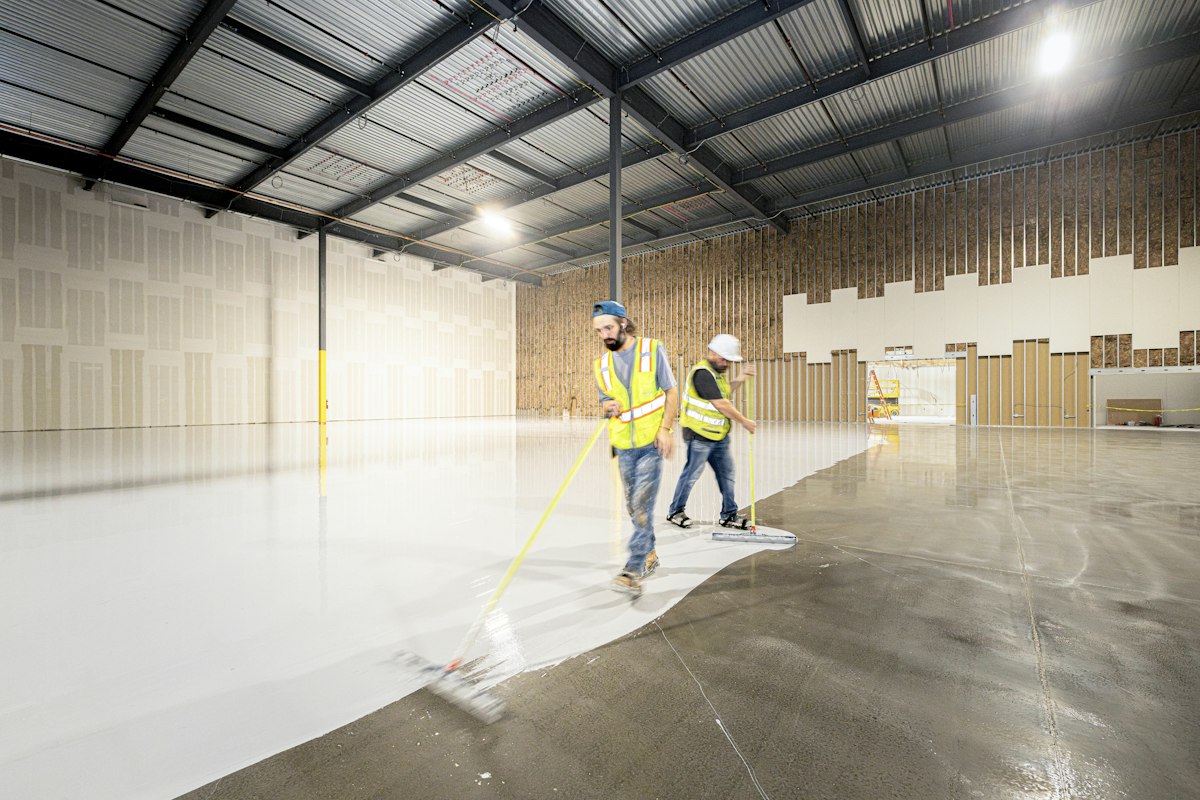
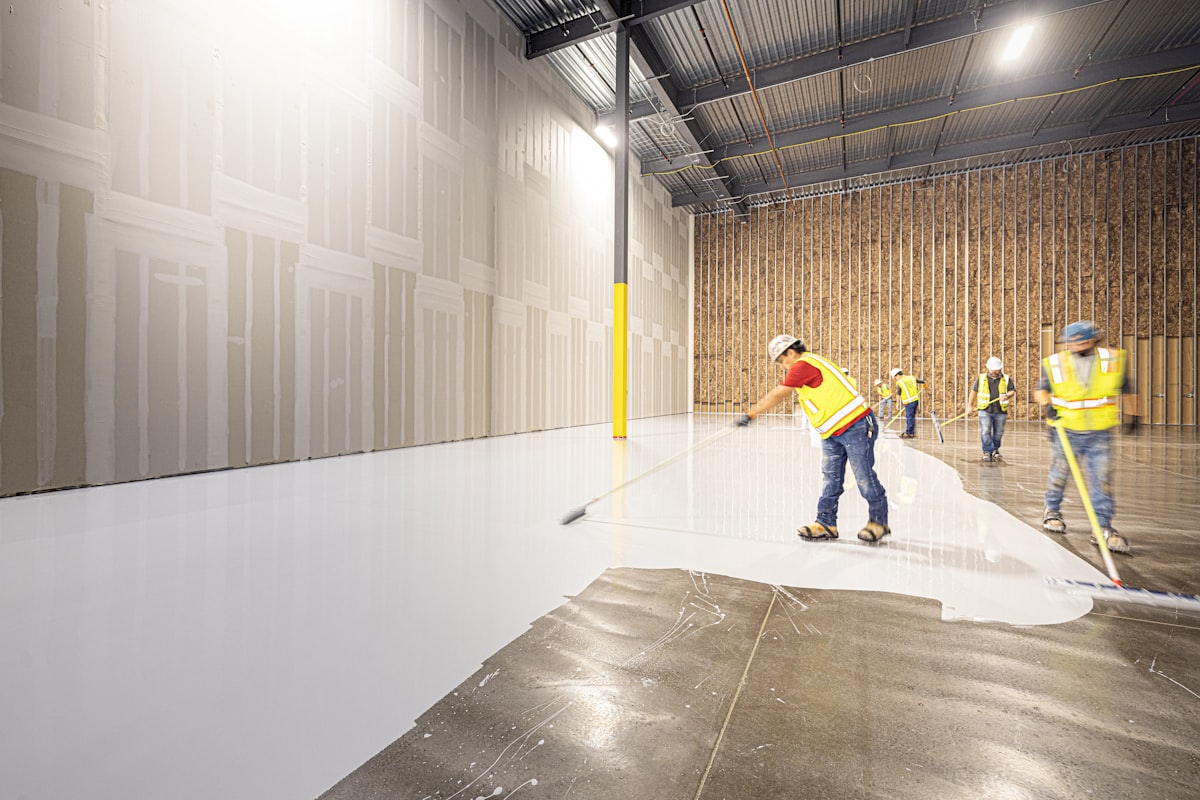
| Industrial flooring (epoxy or polished concrete) | 20 to 45 euros | 2 to 4 weeks |
| Electrical upgrades and lighting | 25 to 60 euros | 2 to 5 weeks |
| HVAC installation or upgrade | 40 to 90 euros | 3 to 6 weeks |
| Partition walls and office areas | 35 to 70 euros | 2 to 5 weeks |
| Structural reinforcement | 80 to 150 euros | 4 to 10 weeks |
| Fire safety systems | 30 to 65 euros | 3 to 6 weeks |
| Loading dock modifications | 50 to 120 euros | 4 to 8 weeks |
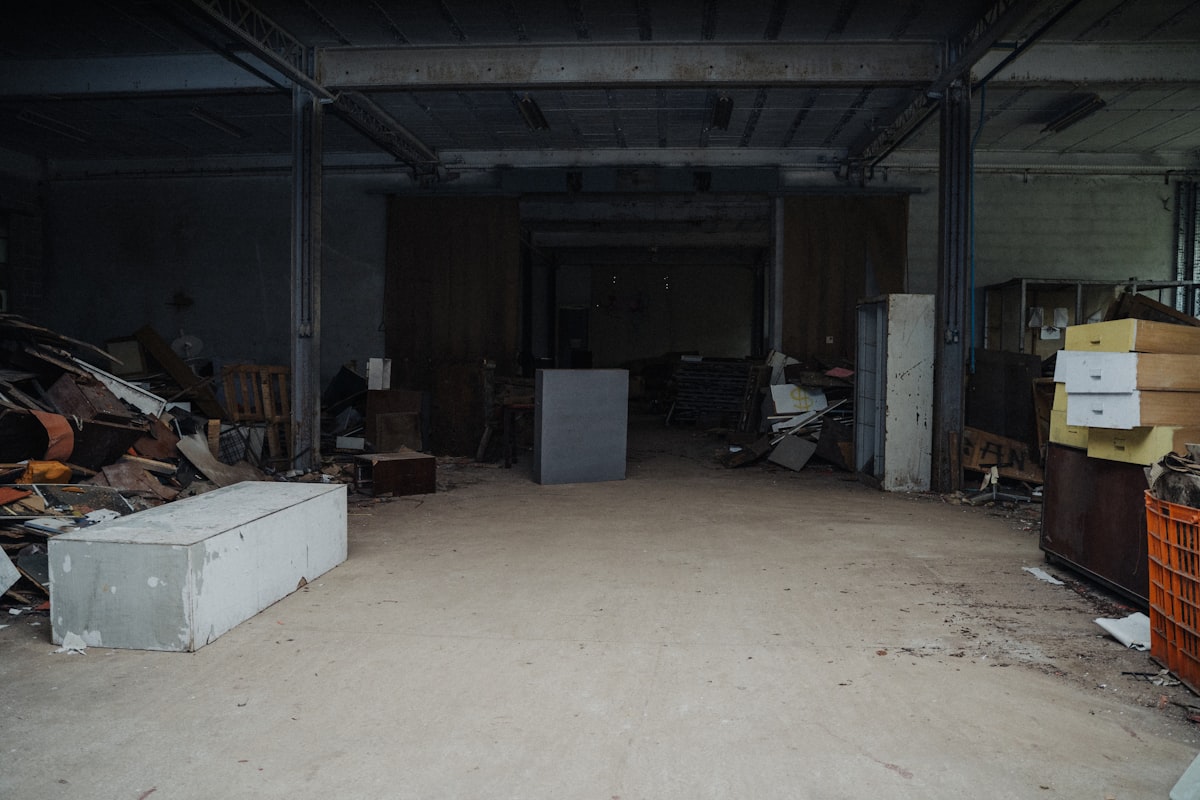
Before requesting quotes, have a qualified surveyor inspect the warehouse. A condition report identifies hidden issues such as damp, structural cracks, or outdated wiring that would otherwise surface mid-project and inflate costs.
For a 500 square metre warehouse requiring new flooring, electrical upgrades, partition walls for an office area, and a basic fire safety system, the total fit-out budget typically falls between 55 000 and 120 000 euros. These figures exclude VAT and professional fees for architects or engineers, which can add another 10 to 15 percent.
Several factors push costs higher. Warehouses built before 1990 often have asbestos-containing materials that require specialist removal. Units with low ceiling clearance may need mechanical ventilation solutions that would be unnecessary in a modern high-bay building. And any work involving the building envelope, such as replacing cladding or adding roller shutter doors, tends to carry a premium because of scaffolding and weather dependency.
Industrial fit-out costs in the Lisbon Metropolitan Area run roughly 10 to 20 percent higher than the national average due to contractor demand and logistics. Always request at least three comparable quotes from firms experienced in industrial projects.
If you are evaluating a warehouse for the first time, our guide on what to check during a warehouse site visit covers the physical inspection points that directly affect fit-out scope and cost.
Looking for a warehouse ready to use or to fit out?
We have warehouses in various conditions — ready to occupy or to customize
What Requires a Licence and What Is Exempt
Portuguese licensing rules for building works are governed primarily by the Regime Jurídico da Urbanização e Edificação (RJUE), Decree-Law 555/99 as amended. The key distinction is between works that alter the building's structure, use class, or exterior appearance, and those that are purely internal and cosmetic.
Works that typically require a municipal licence include:
- Alterations to the building footprint or gross floor area
- Changes to the legal use class, for example converting a storage warehouse to light manufacturing
- Structural modifications such as removing load-bearing walls or adding mezzanine floors
- Exterior alterations including new openings, loading docks, or facade changes
- Any work within heritage protection zones
Works that are generally licence-exempt include:
- Interior painting, plastering, and cosmetic finishes
- Replacement of flooring within the existing structural capacity
- Installation of non-structural partition walls
- Electrical and plumbing upgrades that do not alter the building's certified capacity
- Installation of racking, shelving, and operational equipment
If your intended activity differs from the warehouse's current licensed use, you will need to apply for a use class alteration. This process involves the municipal authority and can take three to six months, sometimes longer if environmental impact assessments are required.
Even for exempt works, you may still need to notify the municipality or obtain specific clearances. Fire safety compliance, for instance, requires validation under the Regime Jurídico da Segurança contra Incêndios em Edifícios (SCIE) regardless of whether the underlying construction work needs a licence. Our article on warehouse fire safety explains the applicable categories and required equipment in detail.
For industrial activities, there is a separate licensing regime under the Sistema da Indústria Responsável (SIR). Depending on the environmental risk classification of your operation, you may need a prior communication, registration, or full industrial licence before you can begin operating, even if the building works themselves are exempt. The specifics are covered in our guide to industrial licensing.
Who Pays: Tenant Improvements and Legal Rights
The allocation of fit-out costs between landlord and tenant is one of the most negotiated aspects of any warehouse lease in Portugal. The Civil Code (Código Civil) provides a baseline, but most commercial leases override or supplement these provisions by contract.
Under Articles 1073 and 1074 of the Civil Code, the landlord is responsible for delivering the property in a condition fit for its agreed purpose and for carrying out works necessary to maintain that condition. The tenant is responsible for minor repairs arising from normal use. However, when the tenant wants to adapt the space beyond what is necessary for basic habitability, the legal framework becomes more nuanced.
The most effective time to negotiate tenant improvement terms is before executing the lease. Once signed, your leverage diminishes significantly. Clarify who pays for what, whether costs are reimbursable, and what happens to improvements at lease end.
There are three common arrangements for tenant improvements in Portuguese warehouse leases.
The first is the tenant-funded model, where the tenant bears all fit-out costs and, in return, may negotiate a rent-free period or reduced rent during the works phase. This is the most common arrangement for short to medium-term leases of three to five years.
The second is the landlord contribution model, where the landlord provides a fit-out allowance, typically expressed as a euro amount per square metre, and the tenant manages the works. The allowance is usually amortised over the lease term. If the tenant leaves early, there may be a clawback clause for the unamortised portion.
The third is the landlord-delivered model, where the landlord undertakes the works to an agreed specification before handover. This is more common in larger, longer-term deals where the landlord wants to maintain control over building quality.
Regardless of the model, the lease should address what happens to tenant improvements at the end of the term. Portuguese law generally allows the landlord to require the tenant to restore the premises to their original condition, unless the lease states otherwise. For significant improvements such as mezzanines, HVAC systems, or reinforced flooring, the cost of removal can be substantial, so this clause deserves careful attention.
For ongoing obligations after the fit-out is complete, our guide on warehouse maintenance outlines the typical split of responsibilities between landlord and tenant.
Need Expert Help?
Durgesta assists you with all technical and legal documentation, condition negotiation, and personalised support
Common Mistakes That Cause Delays and Cost Overruns
Having managed and observed dozens of warehouse fit-out projects across the Lisbon Metropolitan Area, certain patterns emerge repeatedly. Avoiding these mistakes can save both time and money.
Underestimating the licensing timeline. Many tenants assume they can begin works immediately after signing the lease. If a licence is required, the municipal process alone can take two to four months. Add time for preparing technical drawings, and the total pre-construction phase can stretch to six months. Always map out the licensing path before committing to a move-in date.
Skipping the structural assessment. A warehouse floor rated for 2 tonnes per square metre will not support a 5-tonne forklift without reinforcement. Failing to verify structural capacity before designing the layout leads to costly mid-project redesigns. Engage a structural engineer early.
Choosing the cheapest contractor. Industrial fit-out requires specific expertise. A residential contractor may offer a lower price but lack experience with industrial electrical loads, fire safety requirements, or epoxy flooring systems. The cost of fixing substandard work almost always exceeds the savings on the original quote.
Warehouses built before 1990 may contain asbestos in roofing, insulation, or pipe lagging. Disturbing asbestos without proper procedures is illegal and dangerous. Always commission an asbestos survey before starting demolition or renovation in older buildings.
Ignoring fire safety from the start. Fire safety requirements affect layout, materials, and emergency egress. Designing the fit-out first and checking fire compliance later often means reworking partition walls, adding fire doors, or relocating exits. Integrate fire safety planning from the initial design phase.
Not documenting the pre-existing condition. Without a detailed photographic record of the warehouse before works begin, disputes about reinstatement at lease end become he-said-she-said arguments. Document everything with dated photographs and include the condition report as a lease annex.
Frequently Asked Questions
A basic fit-out covering painting, flooring, electrical upgrades, and partition walls typically costs between 50 and 100 euros per square metre. For a 500 square metre warehouse, expect a total budget of 25 000 to 50 000 euros excluding VAT and professional fees.
Yes. A mezzanine adds gross floor area to the building, which requires a municipal building licence under the RJUE. You will need architectural and structural engineering drawings submitted through the municipal licensing platform. The process typically takes two to four months.
Under Portuguese law, the tenant must obtain the landlord's written consent before carrying out any works that go beyond minor repairs. Unauthorised works can be grounds for lease termination. Always include a tenant improvement clause in the lease that specifies the scope, approval process, and cost allocation.
Unless the lease states otherwise, the tenant is generally required to return the premises to their original condition. This can include removing partition walls, mezzanines, and specialist flooring. Negotiate reinstatement terms at lease signing to avoid unexpected costs later.
For a project that requires licensing, allow two to three months for design and approvals plus two to four months for construction. A licence-exempt cosmetic fit-out can be completed in four to eight weeks. The total timeline depends heavily on contractor availability and material lead times.
A building licence from the municipality authorises construction or alteration works on the physical structure. An industrial operating licence under the SIR regime authorises the specific industrial activity to be carried out in the space. You may need both depending on the nature of your operation and the works involved.
LED lighting and improved insulation can reduce operating costs by 20 to 35 percent. If your lease term is five years or longer, the payback period for most energy upgrades falls within the lease duration. For shorter leases, negotiate a landlord contribution since the improvements add long-term value to the property.
Looking for a Warehouse to Rent?
We have industrial warehouses available for lease in Greater Lisbon. Competitive prices and flexible contracts